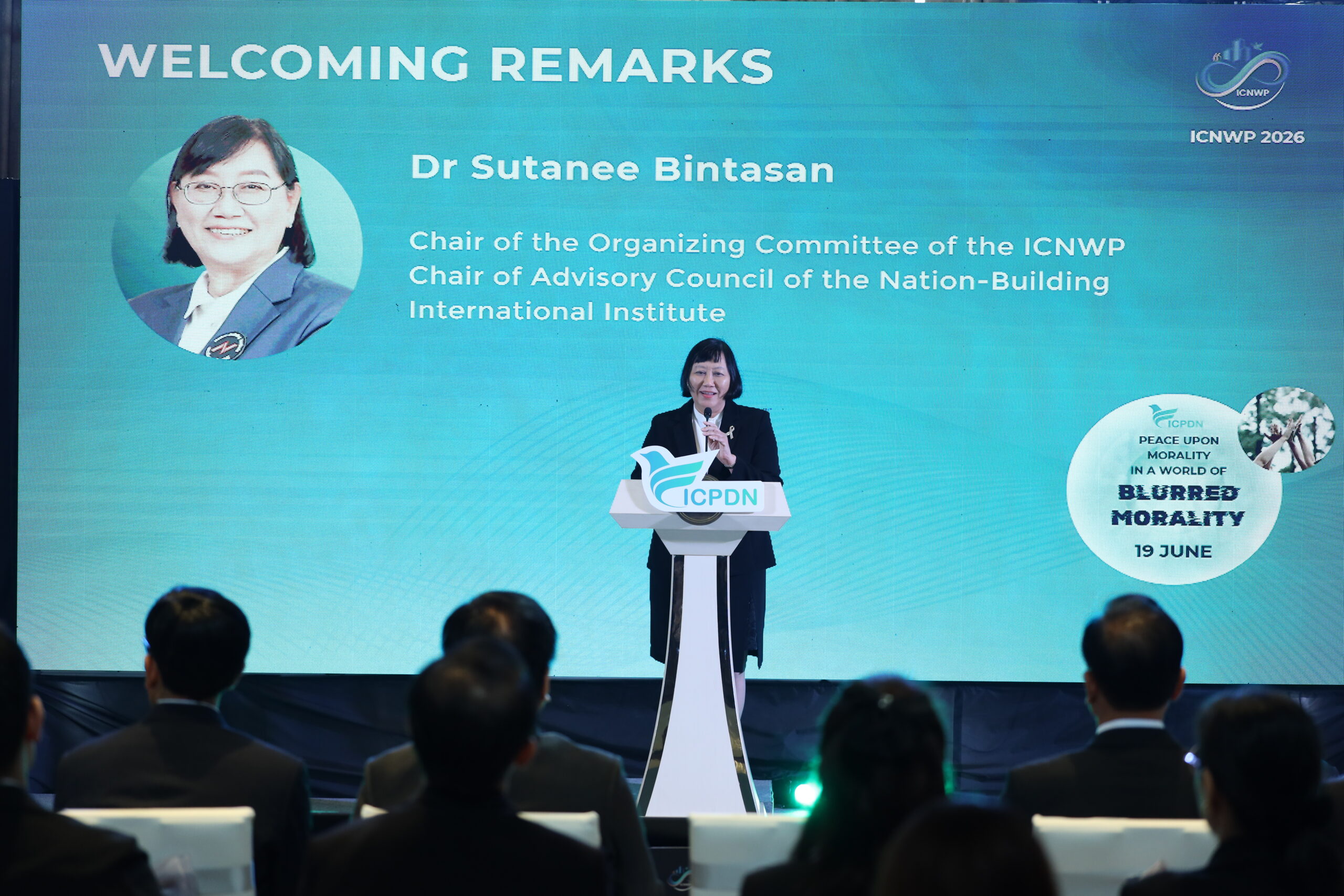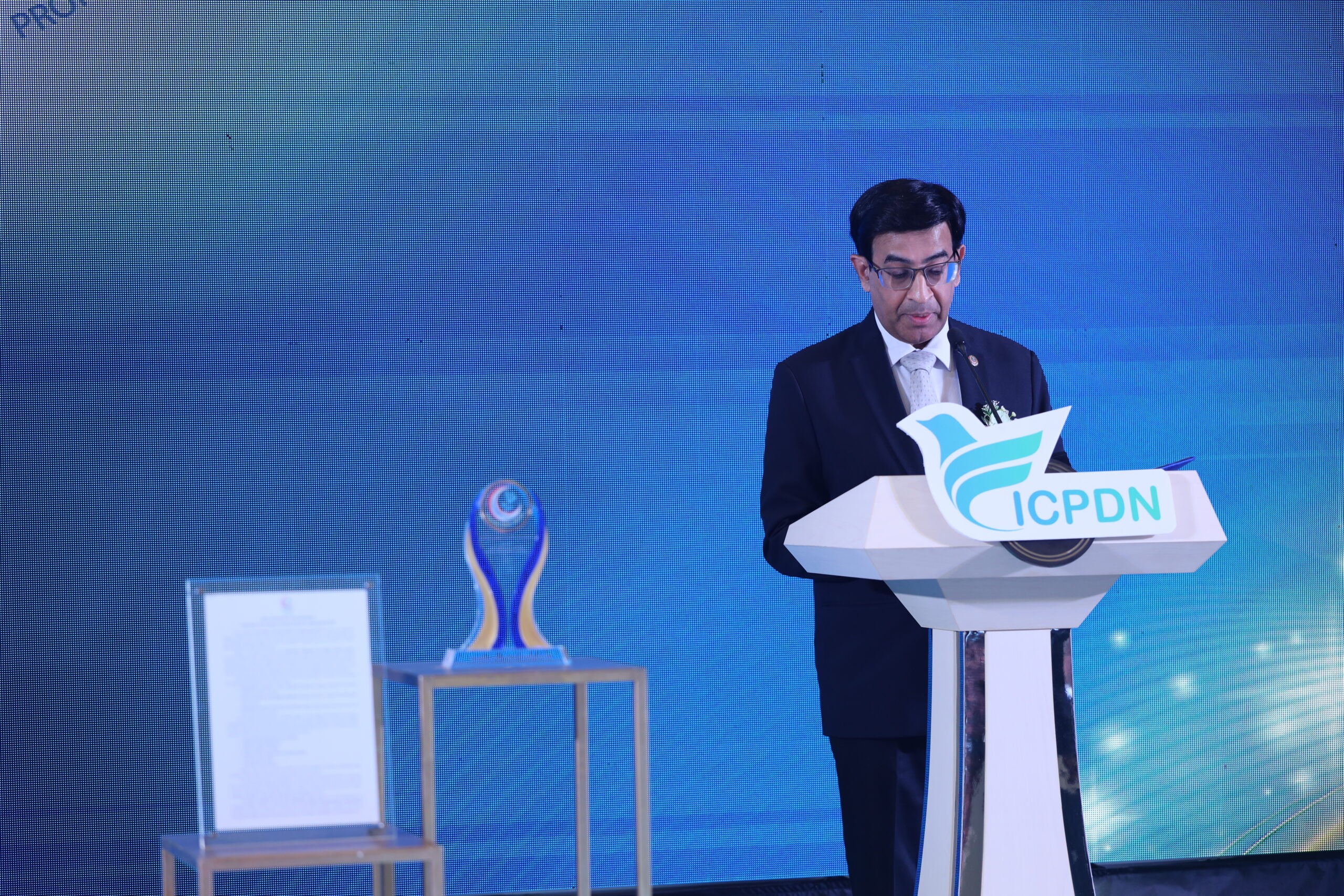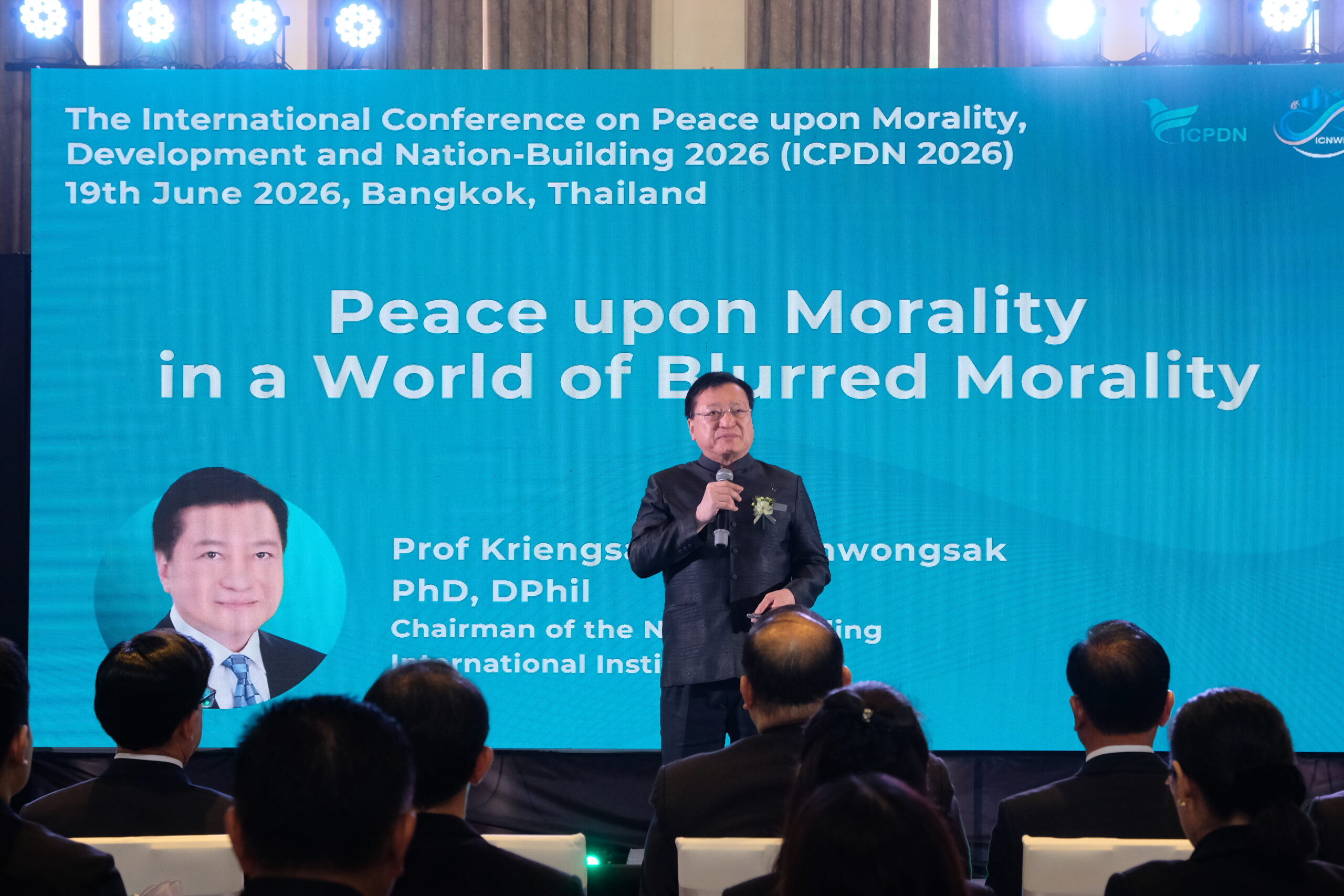
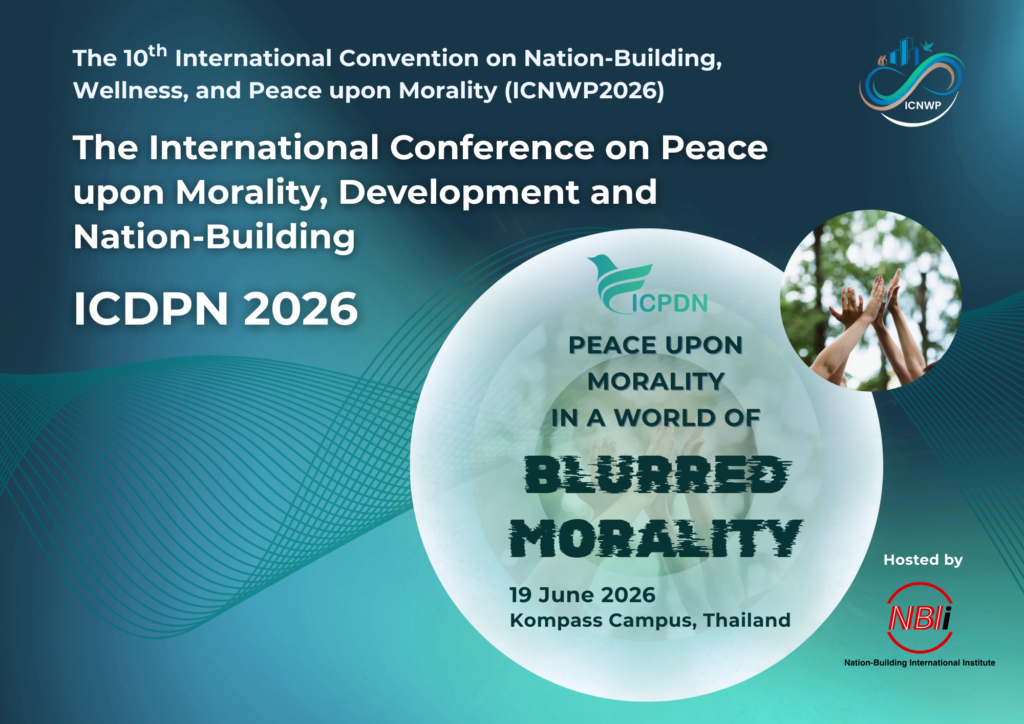
The International Conference on Peace upon Morality, Development and Nation-Building (ICPDN) 2026
“Peace upon Morality in a World of Blurred Morality”
19 June 2026
Kompass Campus, Bangkok, Thailand
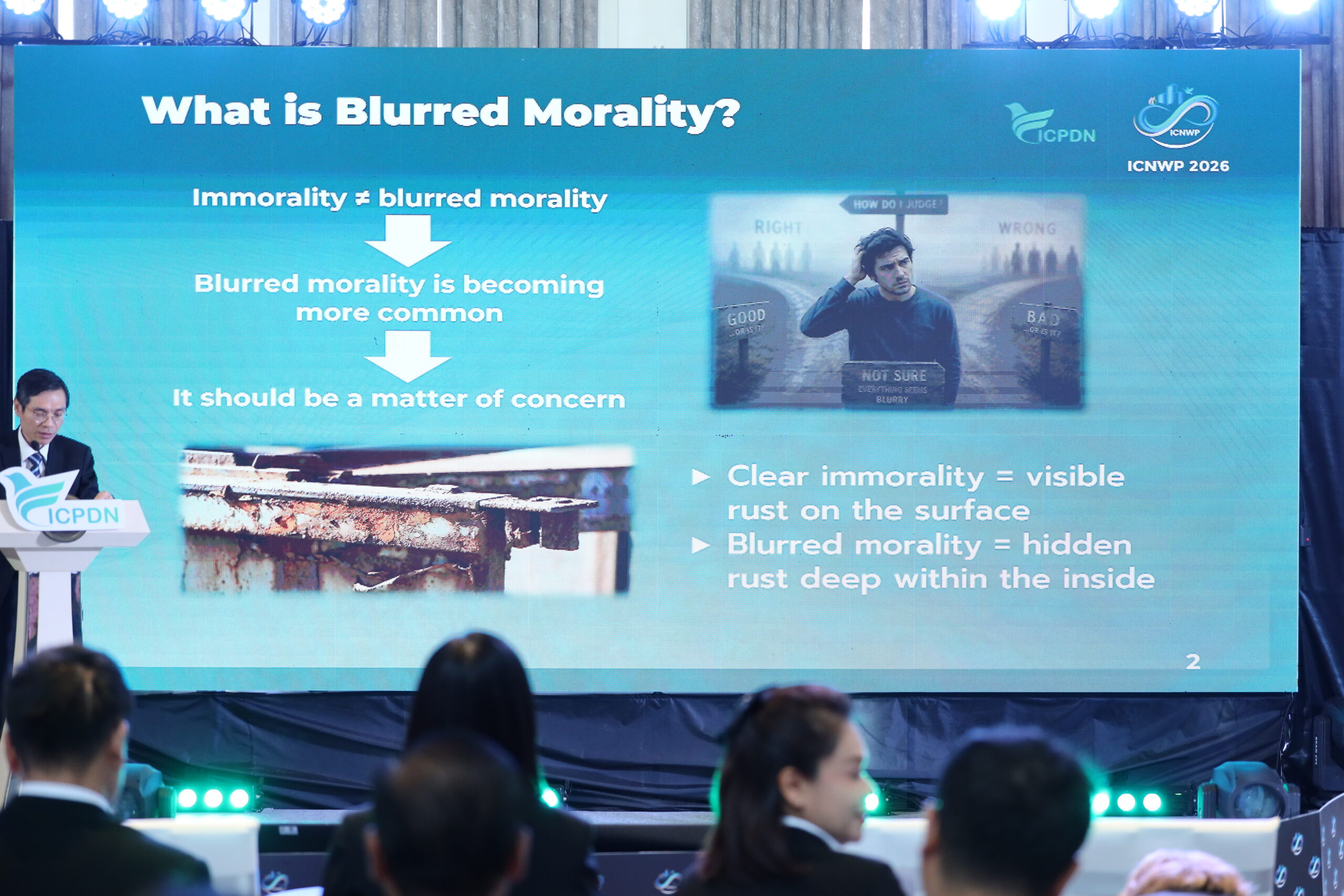
In today’s world, the blurring of moral boundaries has profound effects on human life at every level—individual, community, and even the relationship between humans and the environment.
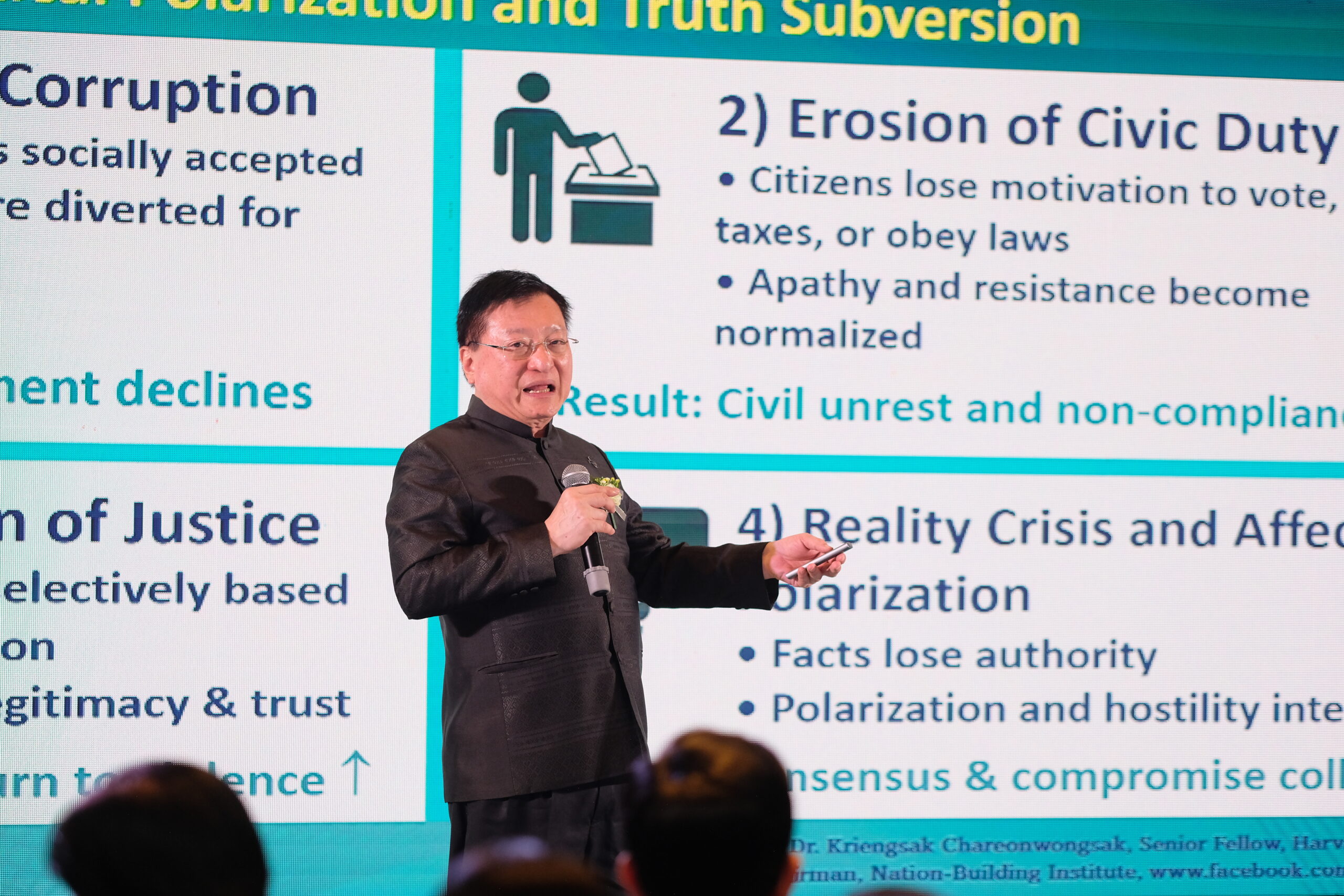
At the personal level, blurred morality creates moral confusion, leaving individuals uncertain about which principles to follow and weakening their inner moral compass. Many people pursue short-term satisfaction through overindulgence, such as excessive use of social media, consumerism, or chasing superficial achievements. Over time, this moral ambiguity can lead to loneliness, anxiety, and psychological stress, even in societies that appear modern, comfortable, and prosperous.
At the community level, blurred morality exacerbates tensions and conflicts. Diverse and conflicting ethical standards reduce trust between neighbors, colleagues, and local leaders. Extreme individualism, in which personal freedom is valued above collective responsibility, further weakens social cohesion and makes cooperation difficult. Also, the absence of widely recognized moral leadership and shared community values makes it increasingly difficult to mediate disputes, foster collaboration, or nurture a sense of belonging.
The impact of blurred morality extends to humanity’s relationship with the environment. When ethical responsibility is unclear, nature is often treated as “someone else’s problem.” Prioritizing profit over environmental stewardship leads to deforestation, pollution, and exploitation of natural resources, while ecosystems are valued only for their economic utility. A lack of intergenerational ethics results in short-term resource use without considering the rights and needs of future generations. These attitudes not only harm the environment but also undermine the possibility of achieving long-term peace and sustainability between humanity and the natural world.
Achieving peace in a world of blurred morality therefore requires action on multiple levels. The International Conference on Peace upon Morality, Development and Nation-Building 2026 (ICPDN 2026) aims to address these challenges by fostering deeper ethical reflection, strengthening shared moral understanding, and promoting dialogue across sectors, cultures, and nations. By integrating insights from peace studies, human development, and ethics, this session seeks to illuminate pathways toward inner peace, social cohesion, and sustainable harmony with the natural world. Ultimately, the ICPDN 2026 provides a platform to rebuild clarity, trust, and collective responsibility in a world where moral certainty is increasingly difficult to find.
* All time is as per the Local time of the venue
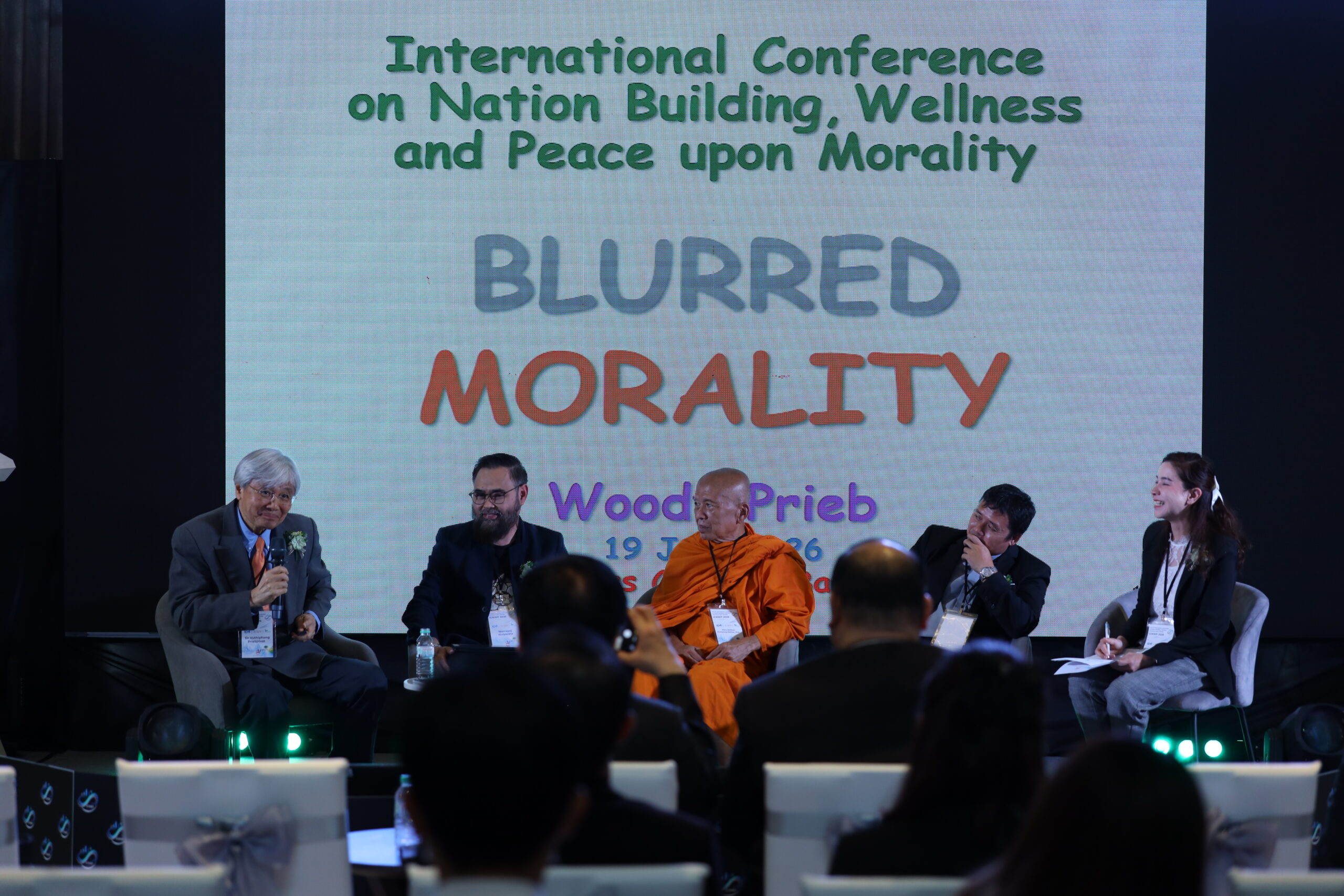
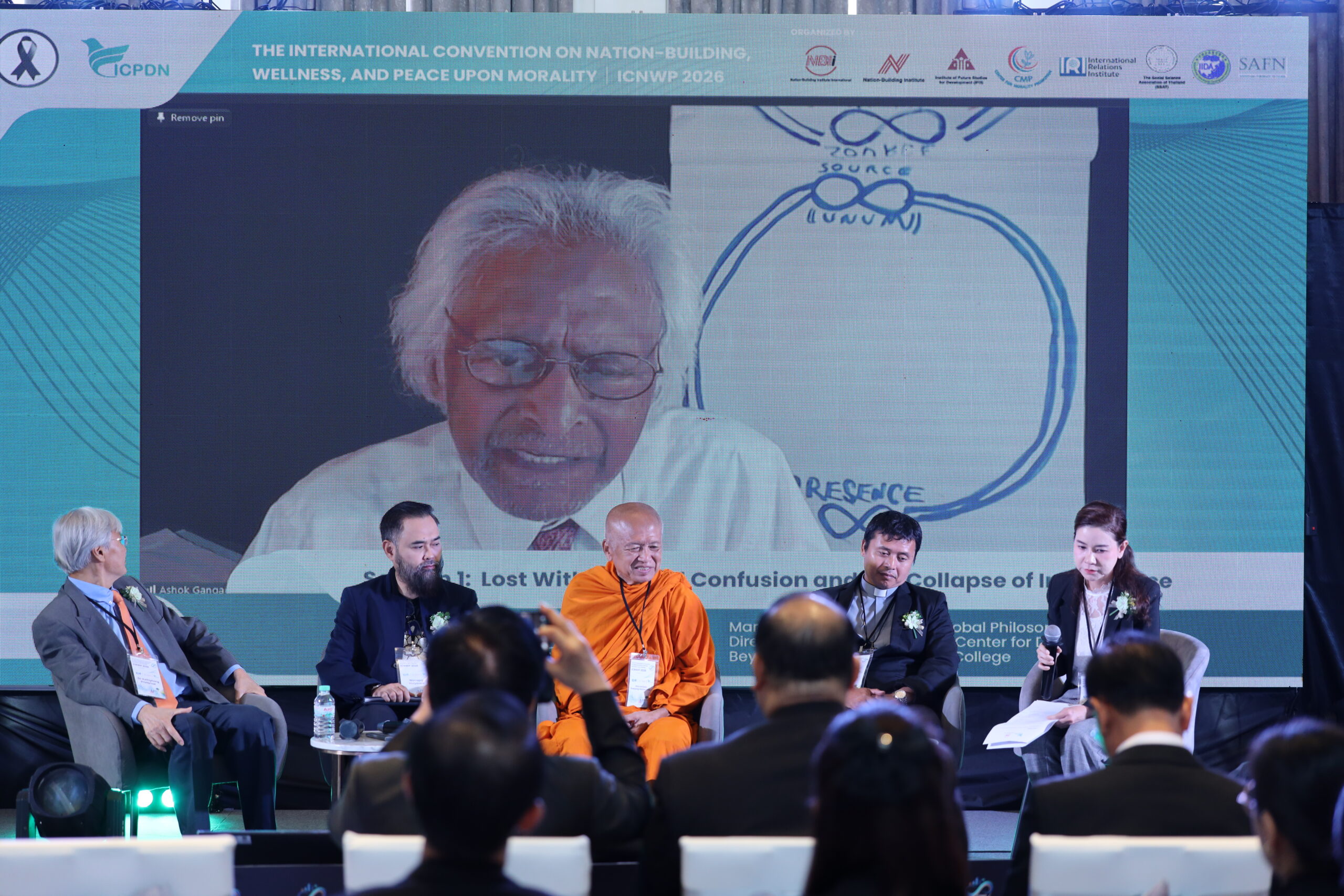
This session is designed to explore the impact of moral uncertainty on personal inner peace. It aims to examine how individuals can maintain inner stability and a sense of peace amidst ethical ambiguity and conflicting societal values. This topic acknowledges that many people face dilemmas, unclear moral guidance, and pressures that can disrupt their sense of integrity and calm. The session seeks to provide insights and strategies to help participants navigate moral confusion while fostering resilience, ethical clarity, and lasting inner peace.
Discussion Questions:
- How does blurred morality create internal conflict and undermine personal peace?
- How do cultural norms, media, and social pressures exacerbate moral confusion and affect inner peace?
- To what extent does pursuing extreme personal freedom without ethical guidance threaten mental and spiritual equilibrium?
- What strategies can individuals adopt to cultivate moral clarity and resilience in a morally ambiguous society?
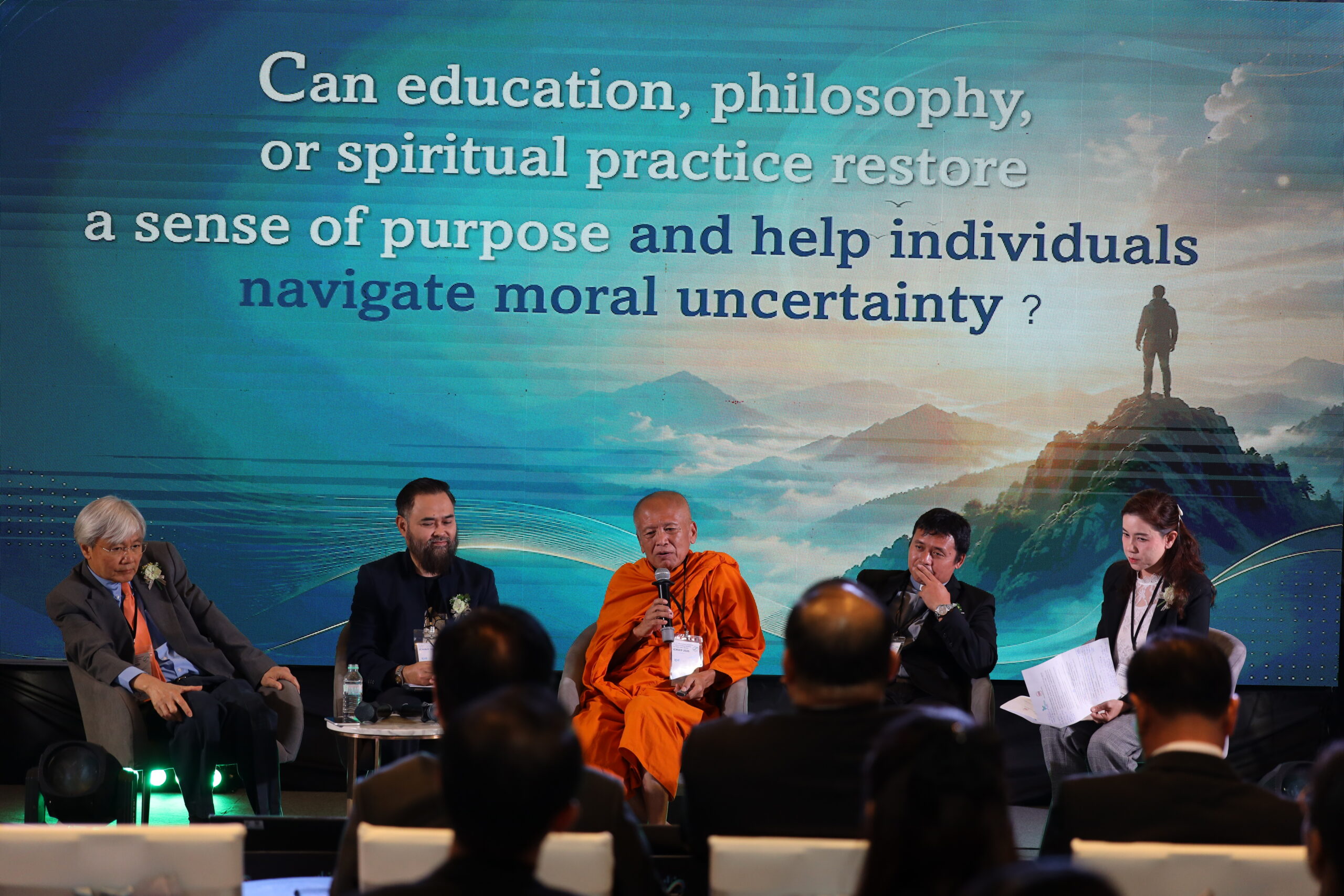
- Can education, philosophy, or spiritual practice restore a sense of purpose and help individuals navigate moral uncertainty?
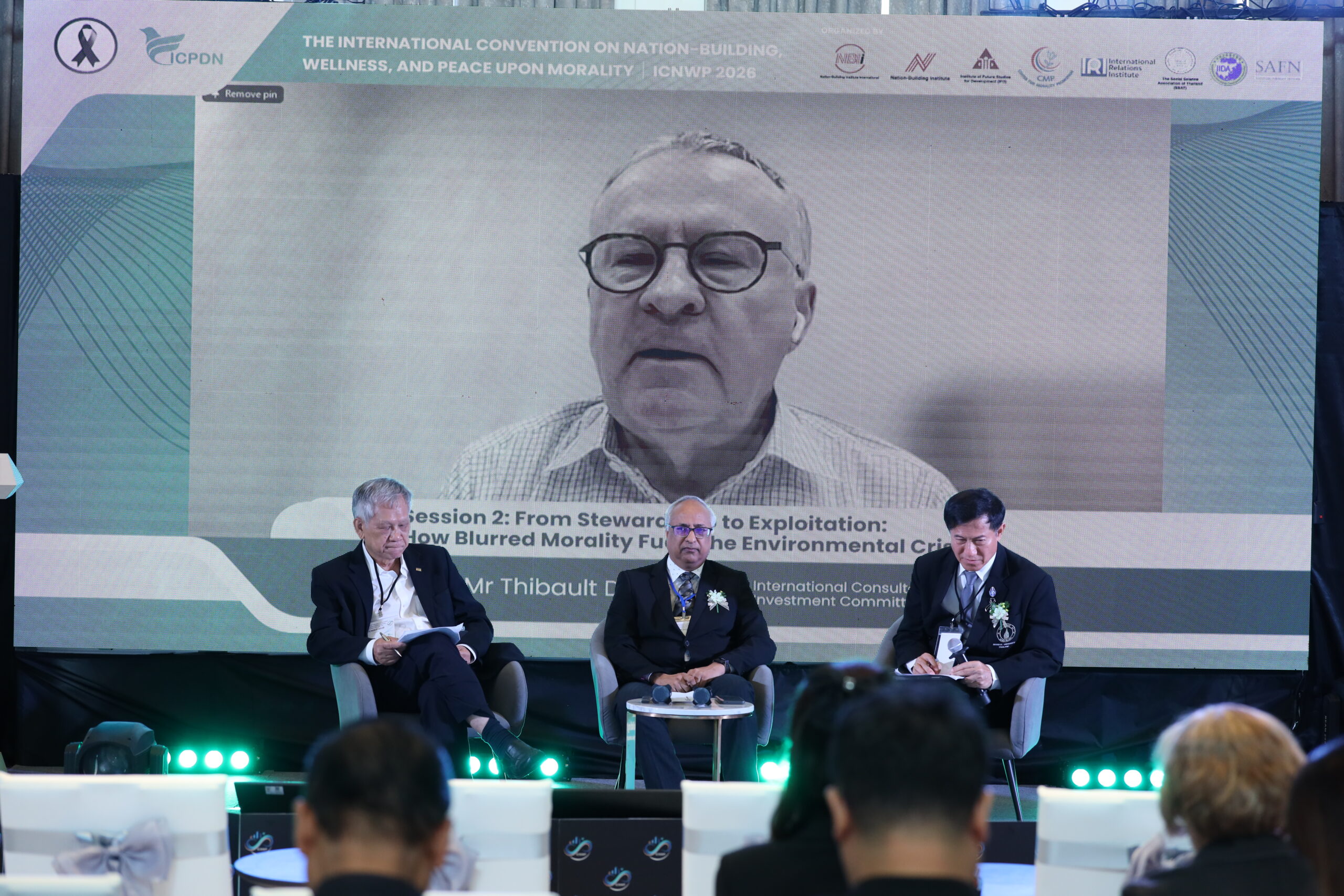
This session will focus on the role of moral uncertainty in shaping human interactions with the natural environment. It explores how blurred ethical judgment can lead to exploitation, unsustainable practices, and environmental degradation. The session also recognizes that access to resources and opportunities for responsible stewardship is unevenly distributed, creating further disparities in environmental engagement. The session will examine strategies for cultivating ethical awareness, collective responsibility, and long-term sustainability, aiming to foster a more balanced and morally informed relationship between humans and nature.
Discussion Questions:
- Individual vs Collective Responsibility: In a morally blurred world, how can societies rebuild a sense of shared responsibility for the environment?
- Profit vs Ethics: Should economic growth ever take precedence over environmental well-being, or is this moral trade-off inherently flawed?
- Instrumental vs Intrinsic Value of Nature: If ecosystems are valued only for their economic utility, how can we foster genuine moral respect for the natural world?
- Climate Change and Moral Ambiguity: Does moral relativism allow people and governments to downplay the urgency of climate change by shifting responsibility elsewhere?
- Intergenerational Ethics: How can blurred morality be challenged to ensure fairness between current and future generations in the use of environmental resources?
This session explores the effects of moral ambiguity on conflict and cohesion at local, national, and international levels. It examines how shifting ethical values and unclear moral guidance can intensify tensions, weaken trust, and challenge relationships within communities and between nations. The session also considers how disparities and inequalities contribute to misunderstandings and conflict. Participants will investigate approaches to strengthen moral clarity, foster cooperation, and manage conflicts effectively, aiming to build more inclusive, resilient, and harmonious societies across all levels of human interaction.
Discussion Questions:
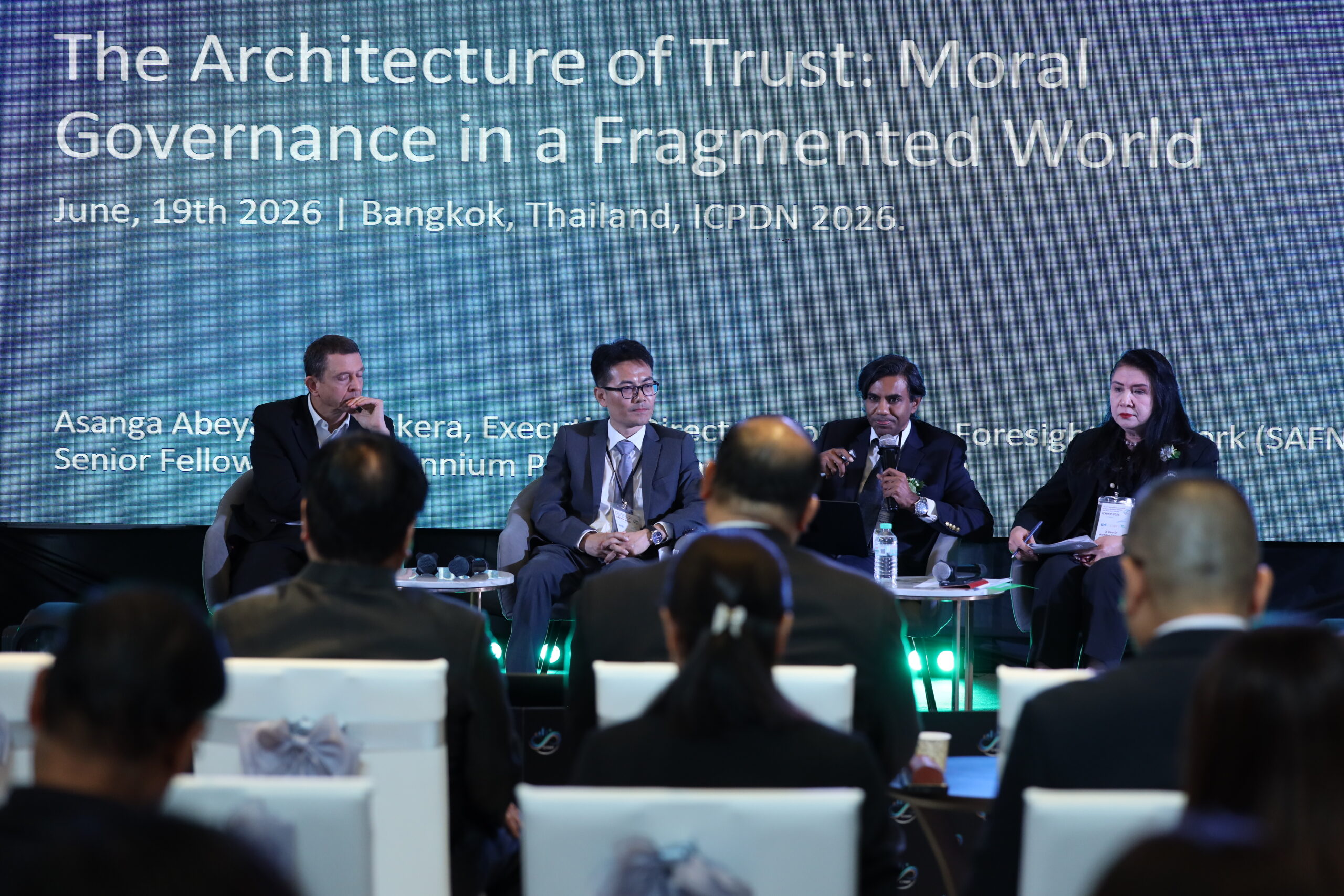
- Trust & Governance: How does blurred morality erode trust not only within local communities and organizations but also between nations, and what mechanisms can restore confidence in leadership and institutions?
- Value Disagreements & Diplomacy: When communities, organizations, or countries hold divergent ethical perspectives, how can conflicts be mediated effectively without imposing uniformity or exacerbating divisions?
- Collective Responsibility & Global Cooperation: How can local and international actors foster cooperation and shared accountability in a world where individual, organizational, or national self-interest dominates?
- Conflict Management & International Relations: What practical strategies can prevent morally ambiguous situations from escalating into serious disputes both within societies and between countries?
- Organizational & State Ethics: How can leaders—whether of organizations, communities, or nations—establish clear moral guidance to reduce ambiguity and prevent unethical behaviour on local and global scales?