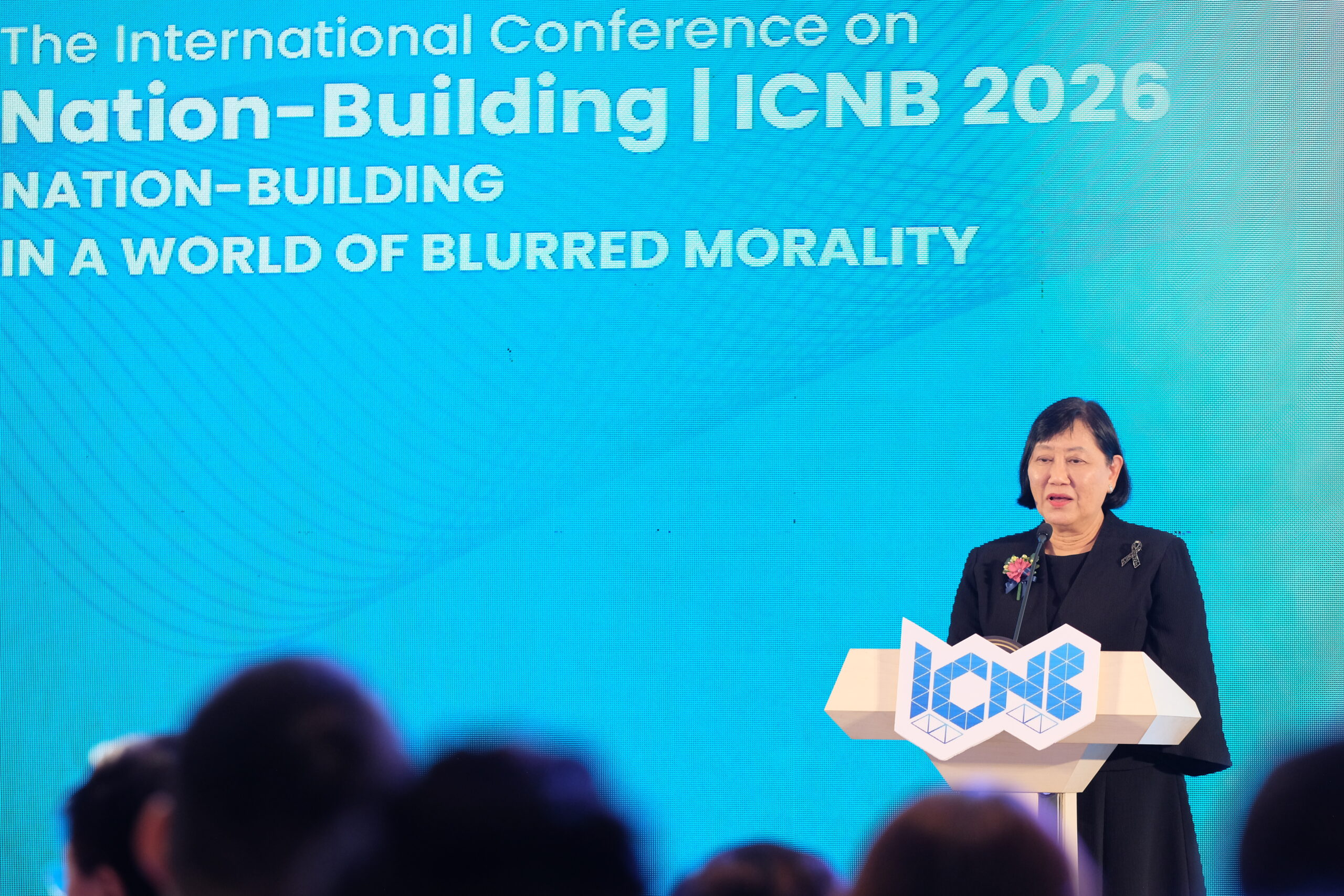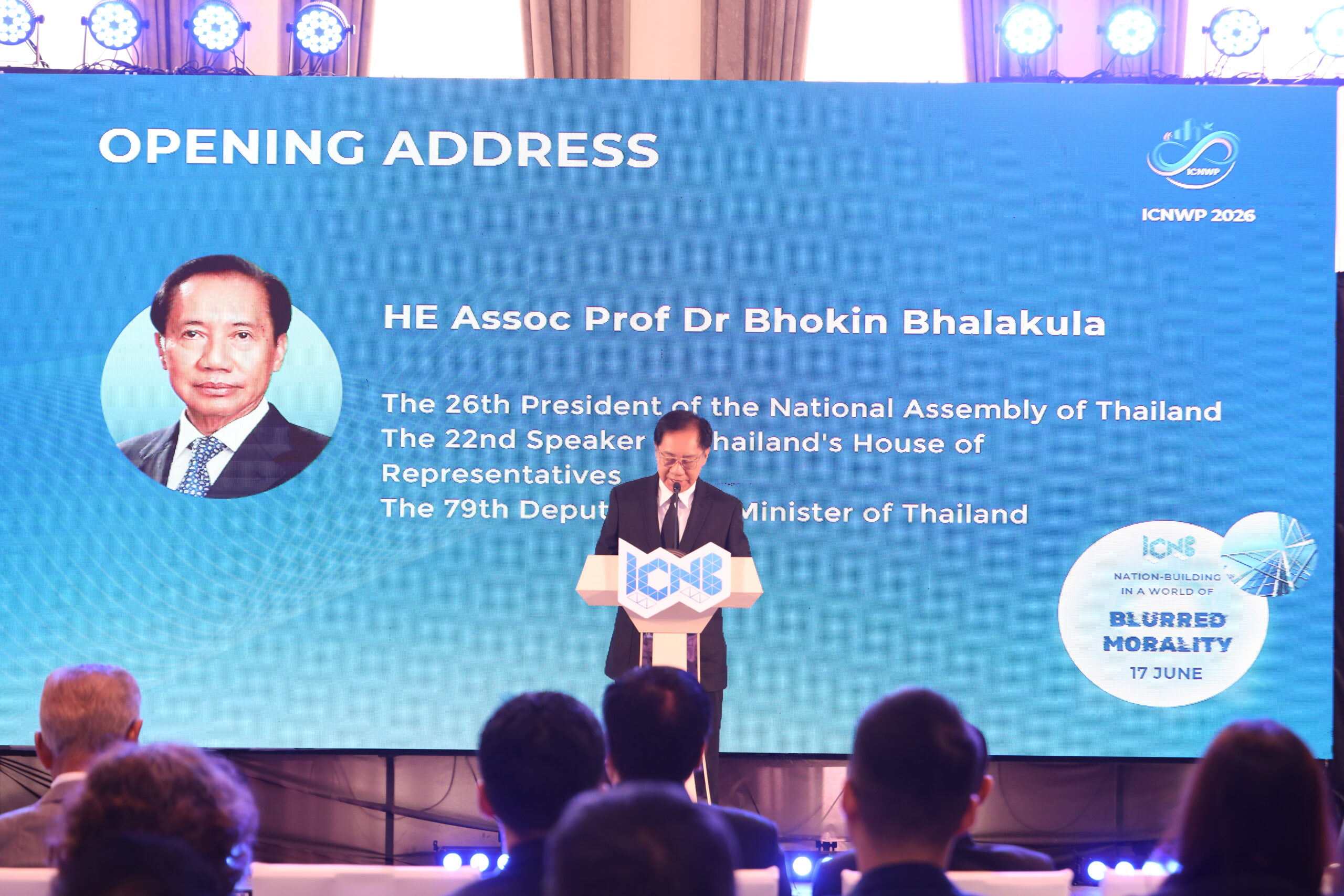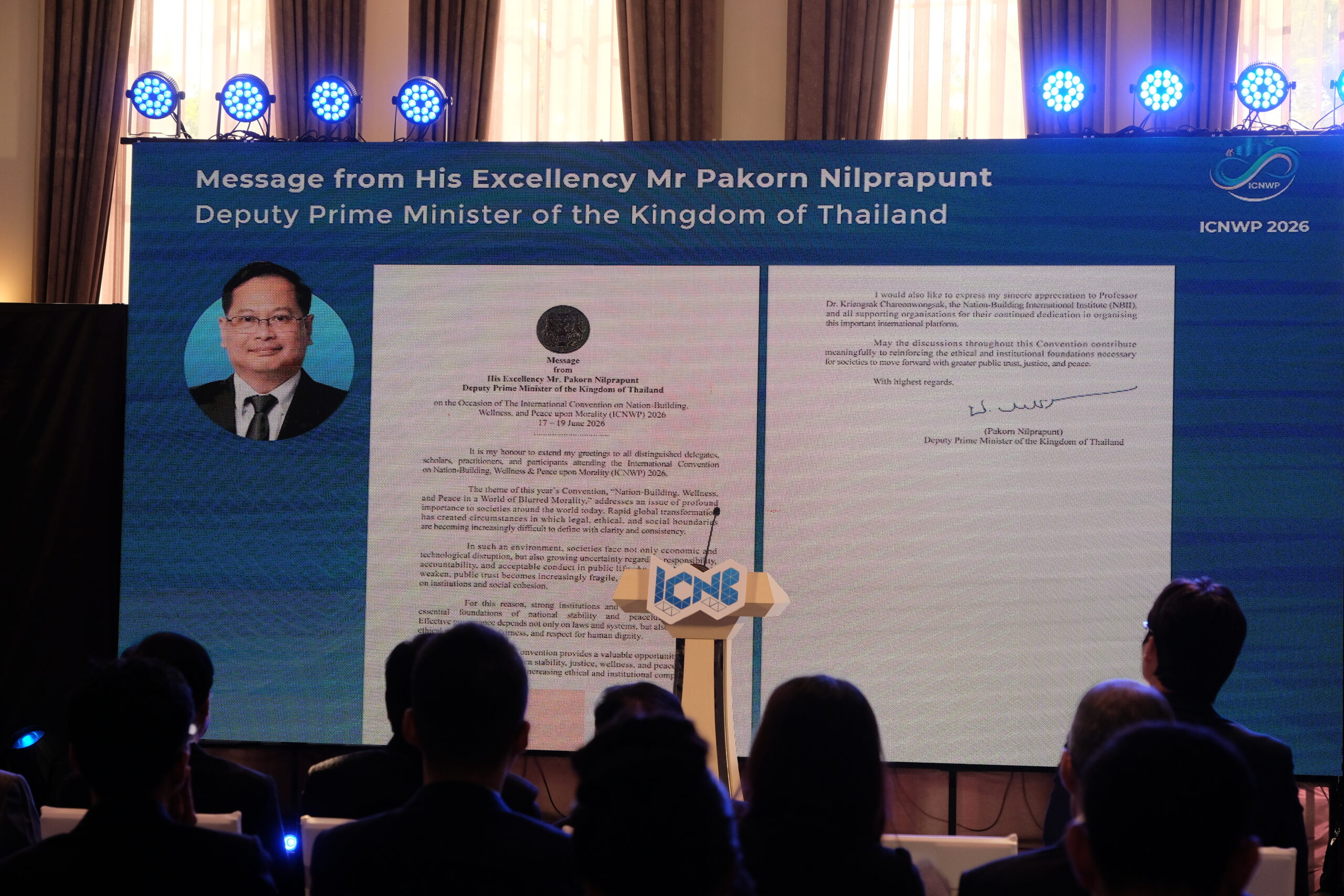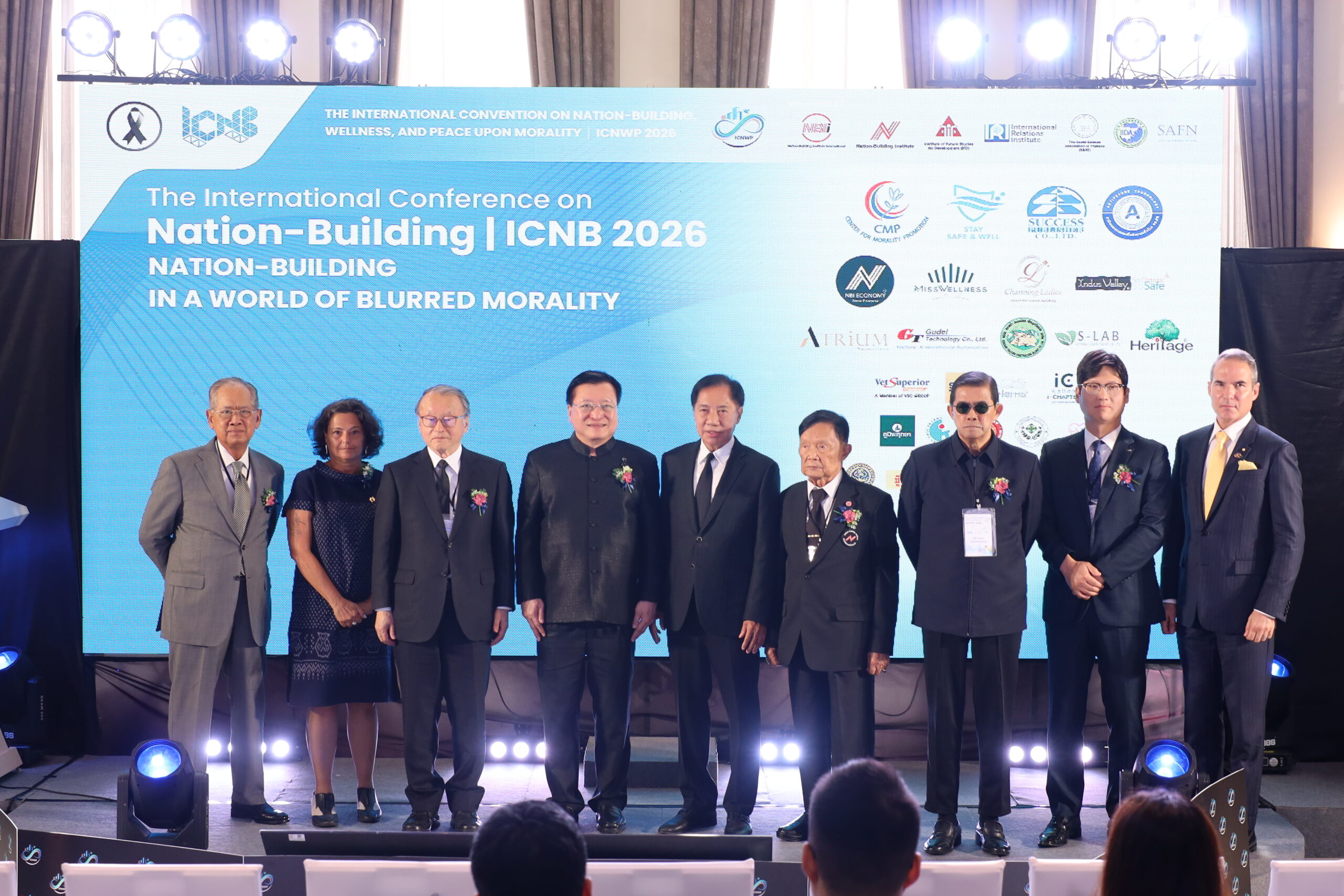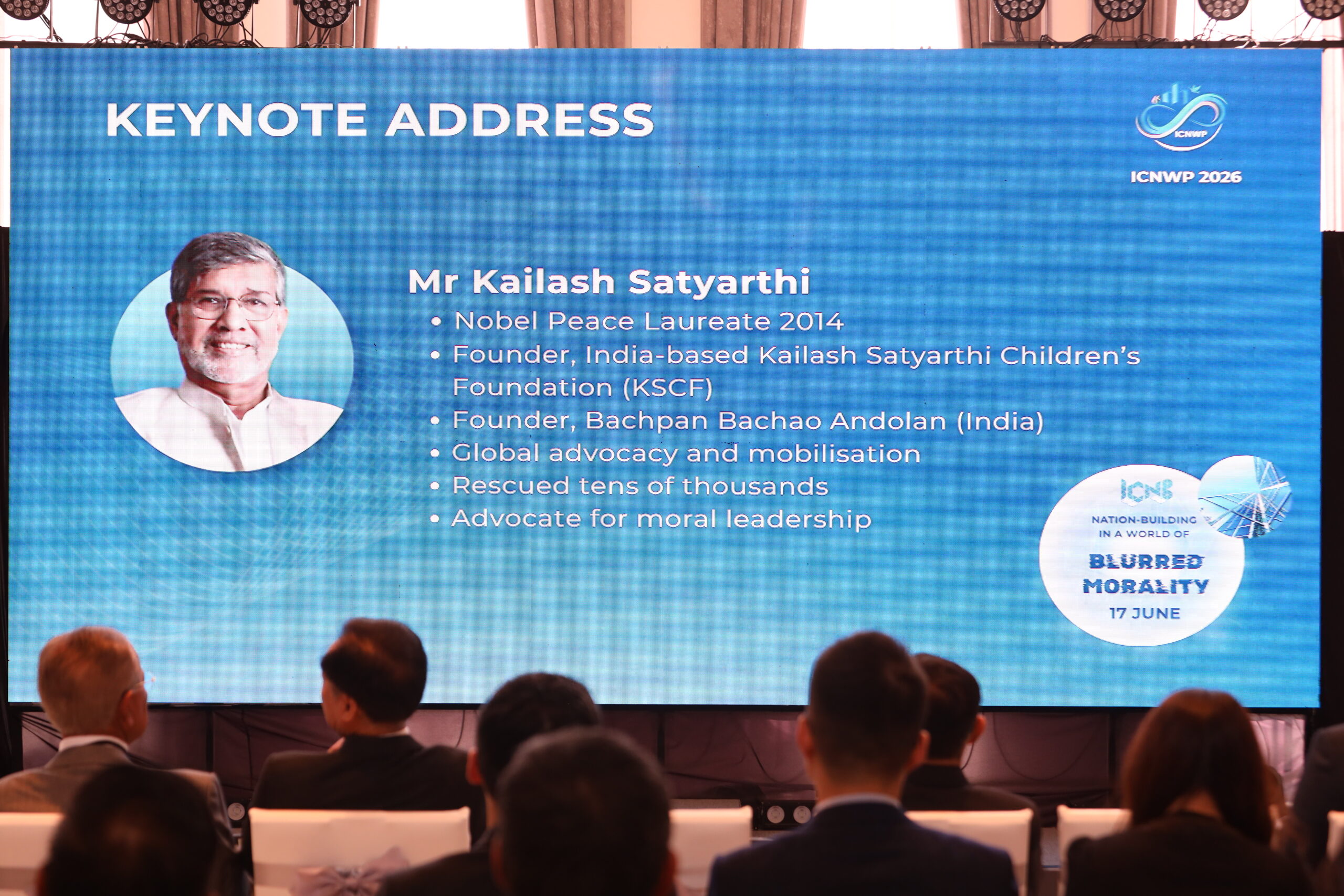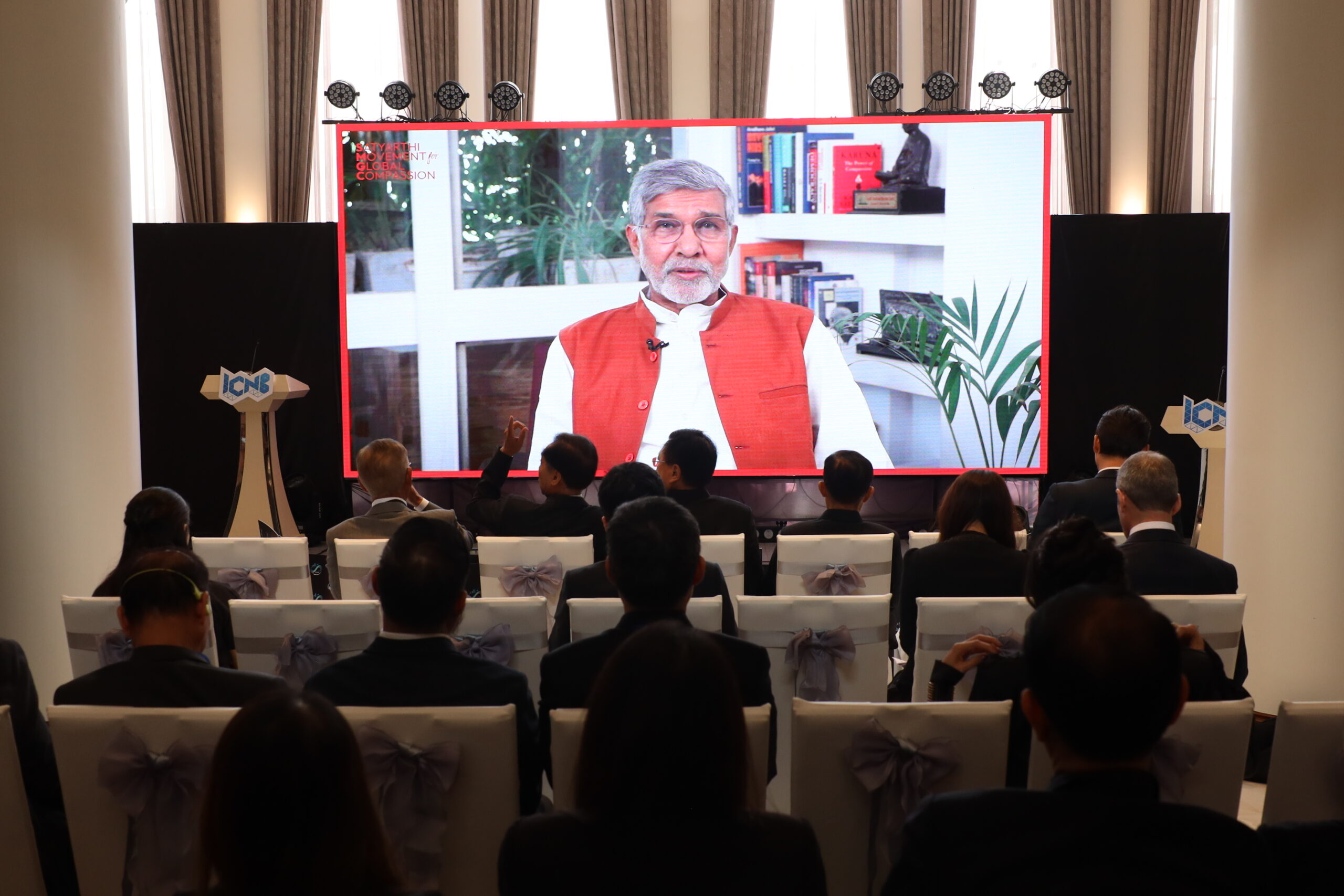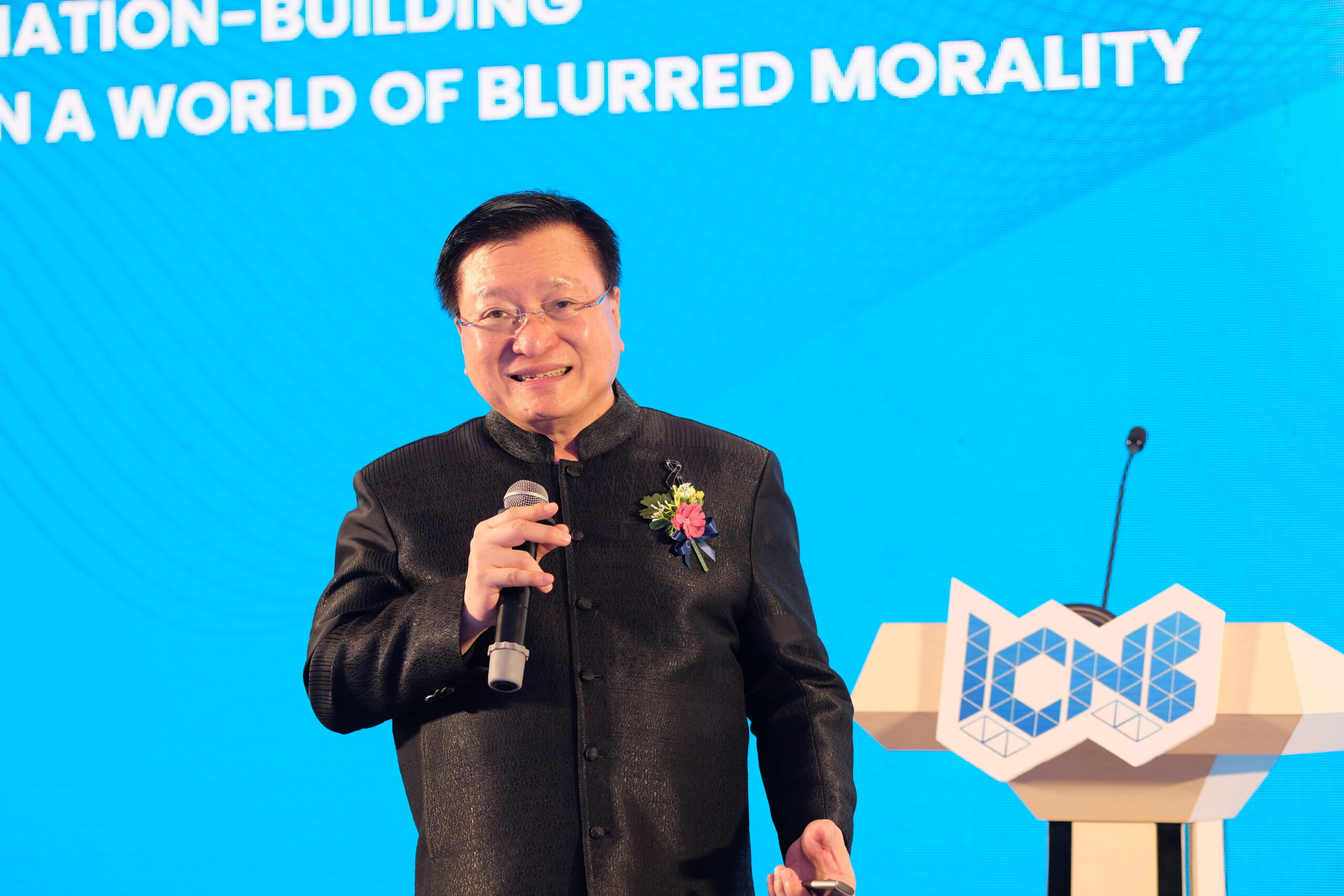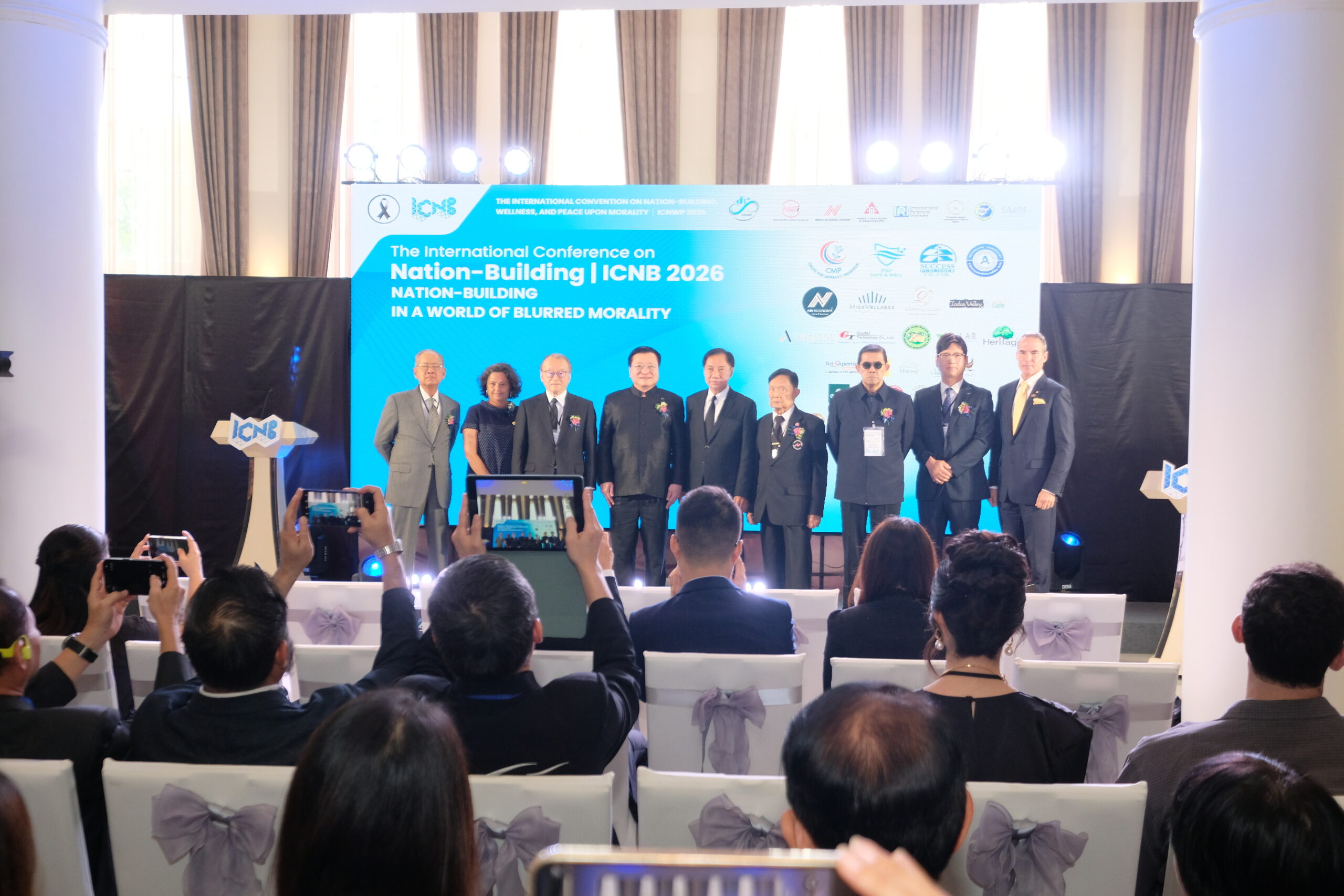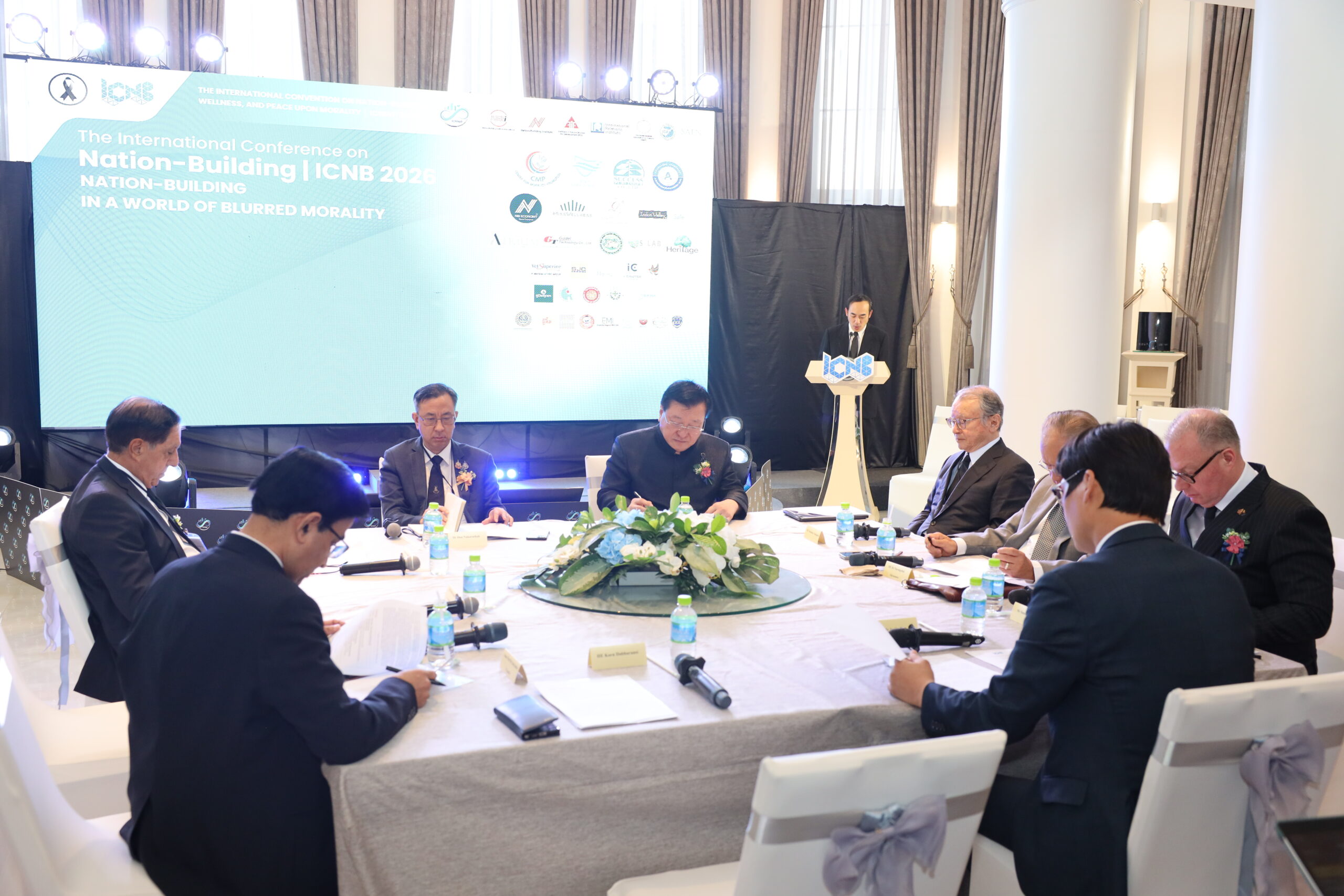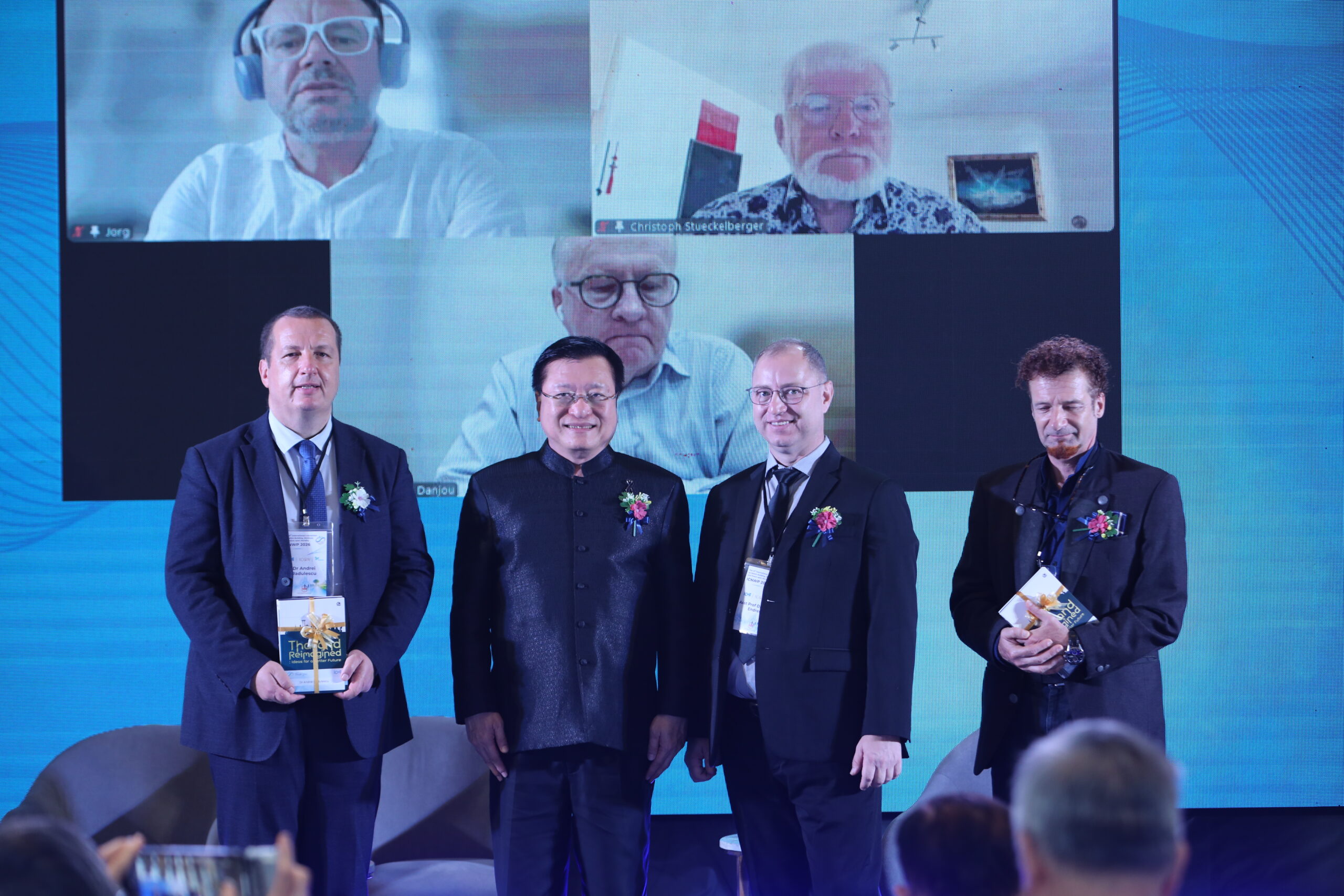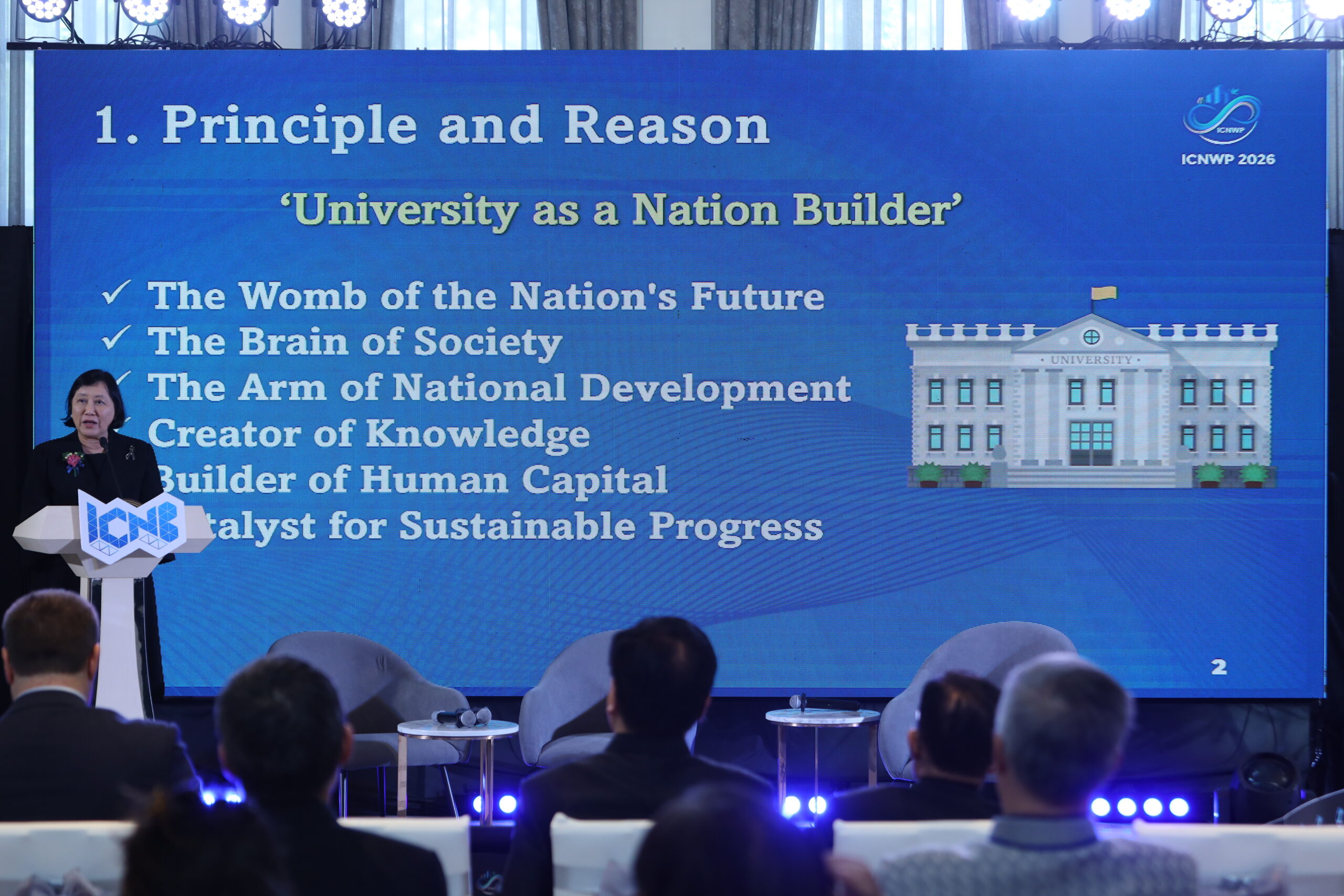
The International Conference on Nation-Building 2026
“Nation-Building in a World of Blurred Morality”
17 June 2026
Kompass Campus, Bangkok, Thailand
In the modern world, nations are confronted with challenges that go far beyond economic growth or political stability. One of the most pressing issues today is the rise of blurred morality—a condition in which ethical boundaries are unclear, principles are negotiable, and the line between right and wrong is increasingly shaped by convenience, pressure, or personal gain. This moral uncertainty affects every layer of society, from individuals and communities to governments and global institutions, ultimately shaping the very foundation of nation-building.
Across many countries, rapid economic growth has come with a moral cost. Some nations have prospered through ethically grey sectors—casinos, shadow finance, and informal gambling, etc. — normalising rule-bending and weakening public trust. When success depends on exploiting loopholes rather than fairness, social values begin to erode. At the same time, widening economic and social inequalities deepen this moral uncertainty. Persistent poverty, unequal access to opportunity, and recurring corruption scandals cause citizens to doubt whether leaders are genuinely committed to justice and transparency. As moral integrity in governance declines, legitimacy weakens and national cohesion becomes fragile. Social dynamics further complicate the picture. Different groups follow different moral codes shaped by culture, technology, and global media, while misinformation and AI-generated content blur shared truths. Without common values or common facts, societies struggle to stay unified.Read More!
In this world of blurred morality, nation-building requires more than policies or infrastructure. It demands restoring trust, fairness, accountability, and long-term purpose—through strong institutions, ethical leadership, and education that cultivates critical and moral awareness. Ultimately, nation-building in a world of blurred morality is a call to reconnect progress with principle. It challenges nations to confront uncomfortable truths, address inequalities with sincerity, and rebuild trust where it has eroded. If societies can ground their development in shared ethical commitments, they can move forward with unity, resilience, and a renewed sense of national purpose—even in a world where moral boundaries are no longer clear.
The International Conference on Nation-Building 2026 (ICNB 2026) aims to examine how moral ambiguity influences decision-making across society—from policy and markets to communities and digital spaces—and how these shifts impact nation-building. This year’s conference brings together global leaders, scholars, and practitioners to analyse the roots and consequences of blurred morality, and to identify how weakened ethical norms contribute to inequality, declining public trust, and threats to wellness and social cohesion. By understanding these dynamics, we can develop frameworks that reinforce integrity, accountability, and collective wellbeing. ICNB 2026 will also serve as a platform for sharing innovative policies, practical solutions, and international experiences. Through interdisciplinary dialogue and collaboration, participants will co-create strategies that strengthen moral foundations, promote wellness, and support sustainable, peaceful nation-building in a rapidly changing world.
* All time is as per the Local time of the venue
In an era where truth is contested, ethics are negotiable, and trust is rapidly eroding, nations are confronted with a new and complex challenge: the blurring of morality. Global competition, digital manipulation, polarised politics, commercialised wellness, and widening inequalities have created a world where moral boundaries are no longer clear. Decisions that once seemed straightforward—how we govern, how we care for one another, how we pursue development—now exist in shades of grey.Read More!
This roundtable examines how blurred morality affects nation-building, wellness, and peace. When ethical norms weaken, public trust collapses, social cohesion fractures, and institutions lose legitimacy. Wellness becomes commercialised, justice becomes selective, and peace becomes fragile.
This opening session brings together global leaders, policymakers, scholars, and practitioners to explore how nations can rebuild ethical clarity, strengthen public trust, protect human dignity, and craft pathways to sustainable peace and wellness in a morally ambiguous world.
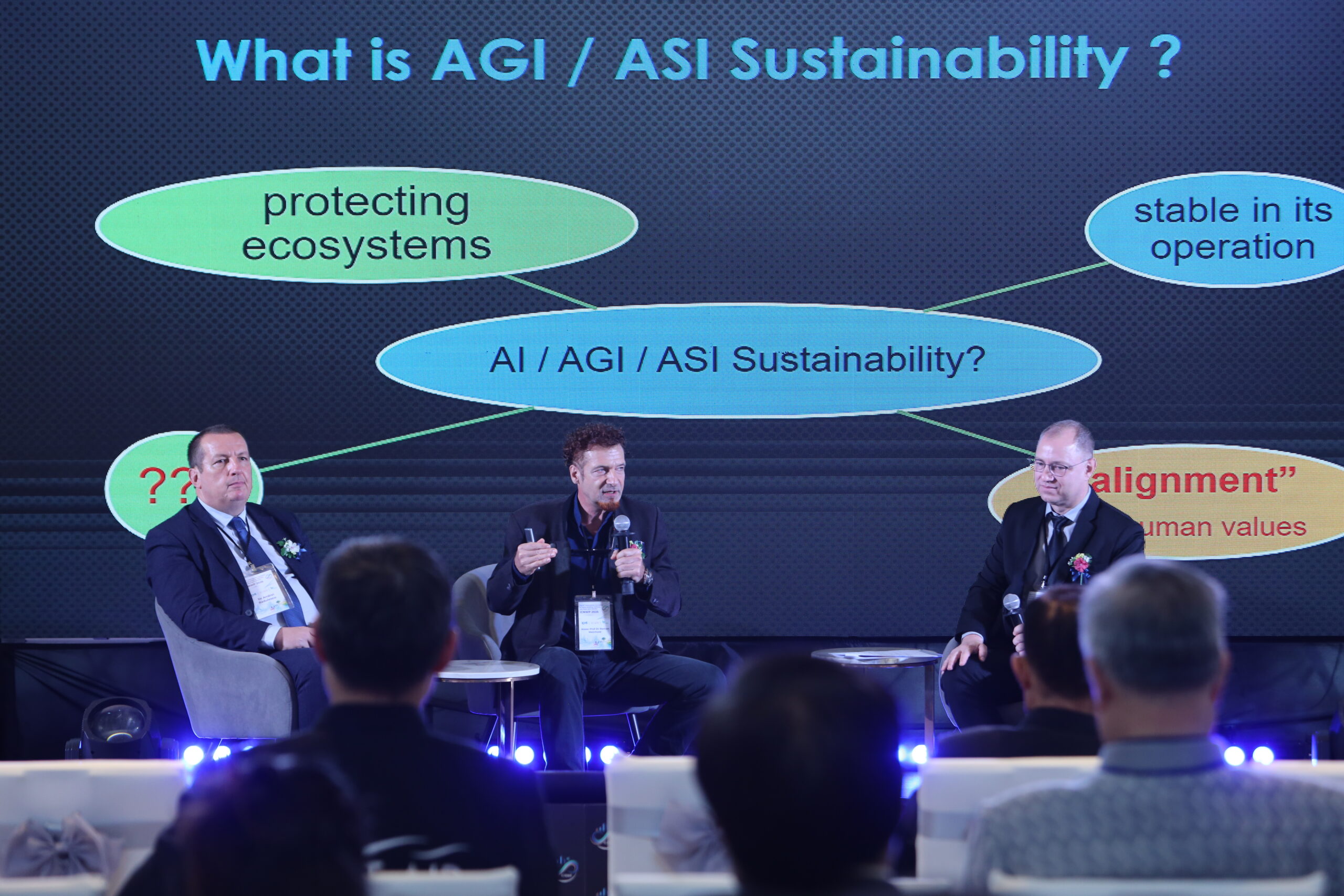
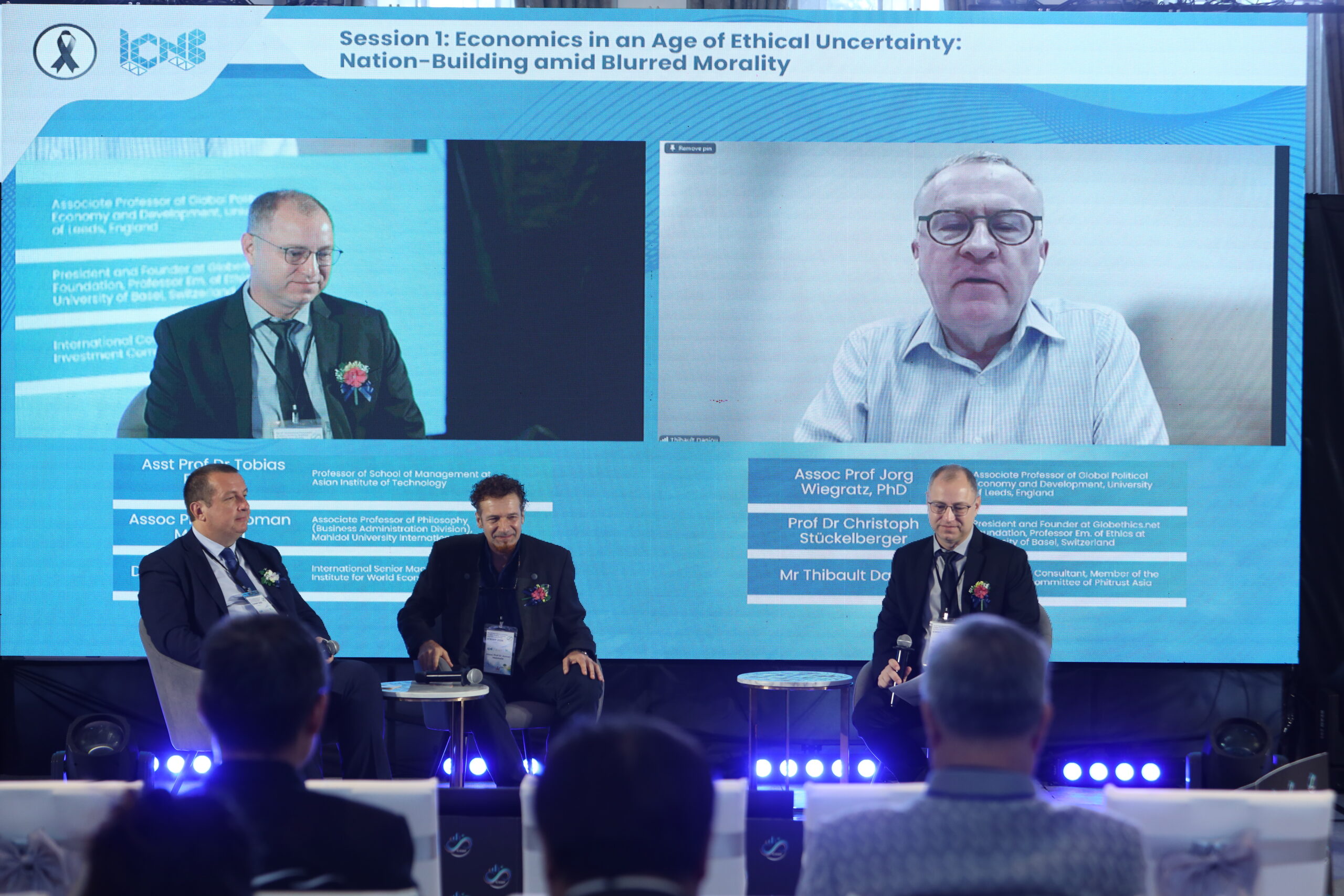
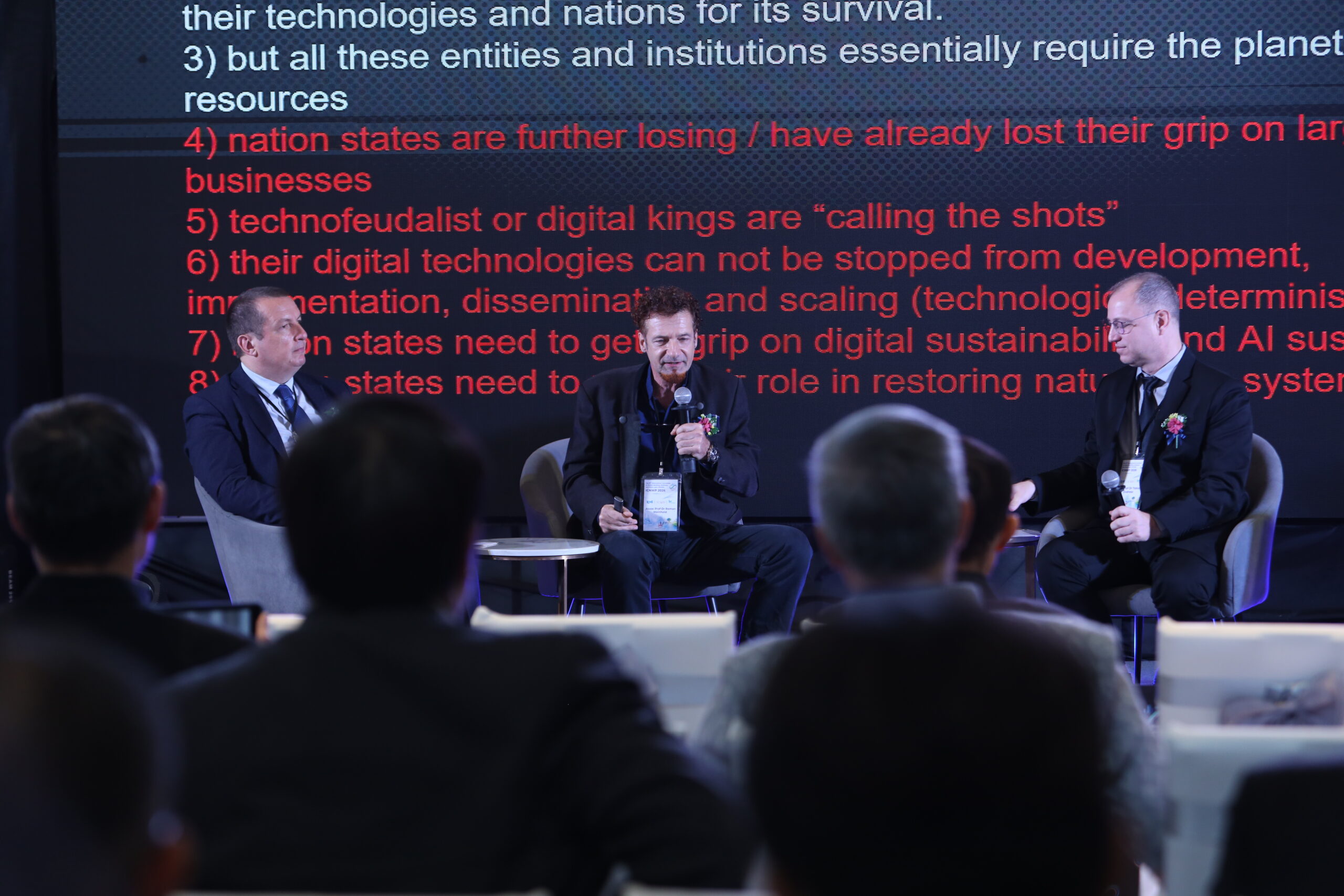
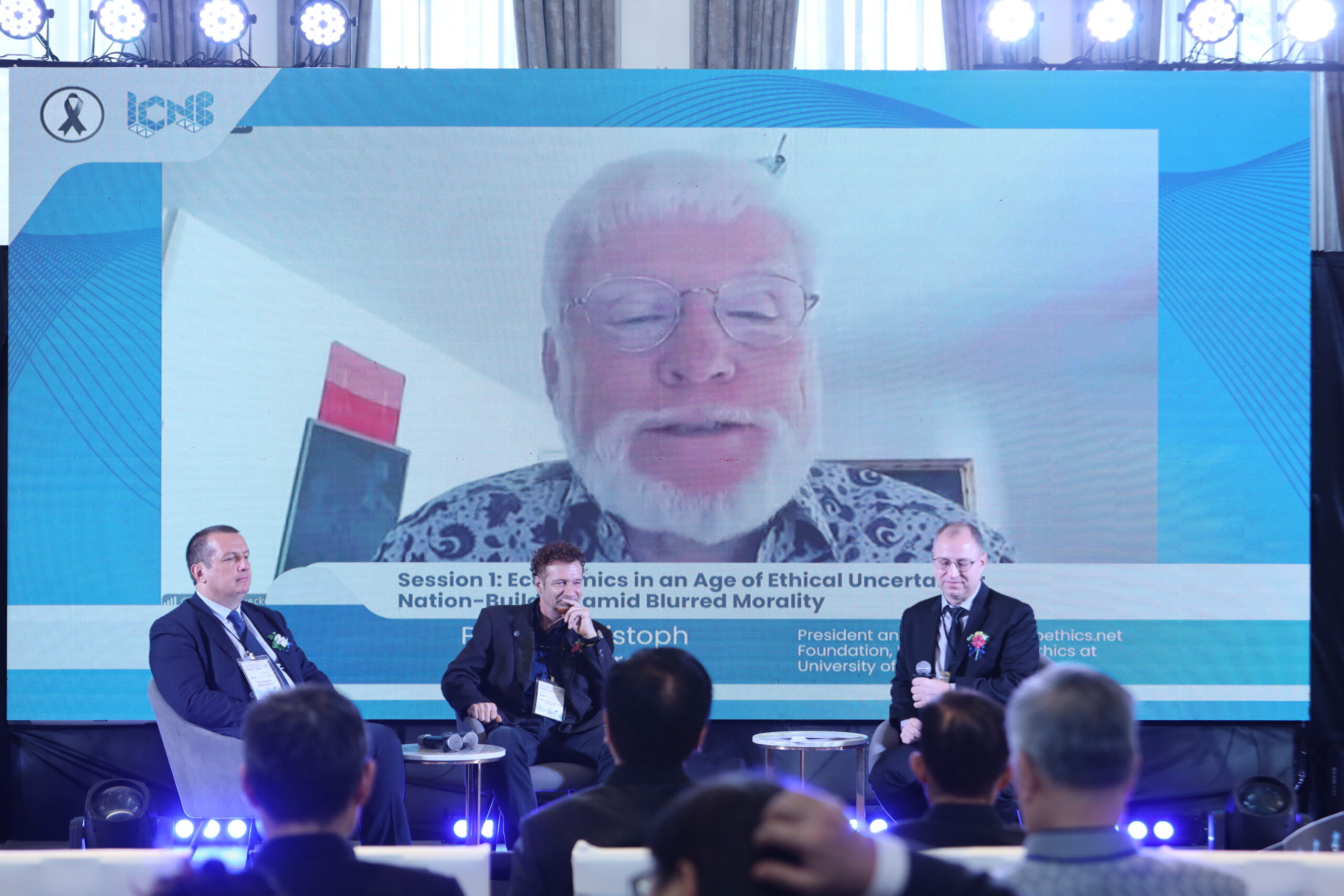
This conference session aims to delve into the intricate relationships between economics, ethical uncertainty, and the evolving landscape of nation-building. As moral boundaries continue to shift in response to technological innovation, global tensions, and social transformation, it becomes increasingly important to understand how these blurred ethical lines shape economic choices and influence national development. This session will bring together experts in economics, public policy, and ethics to discuss the impact of ethical ambiguity on economic systems, explore strategies for navigating moral uncertainty in nation-building, and highlight the potential for ethical frameworks to guide more resilient and inclusive economic futures.Read More!
Discussion Questions:
- How do blurred moral boundaries in business and finance reshape market behaviour, competition, and long-term economic stability?
- How does ethical ambiguity contribute to the rise of shadow economies, and what are the most effective economic tools for addressing them?
- How can nations redesign incentive structures so that productivity and meritocracy remain strong even when societal notions of fairness become unclear?
- What regulatory frameworks can prevent harmful profit-seeking practices without stifling innovation or economic growth?
- What strategies can rebuild trust in institutions and markets when moral standards are perceived as inconsistent or eroded?
In contexts where unethical industries drive significant revenue, how should nations balance economic prosperity with social and moral consequences?
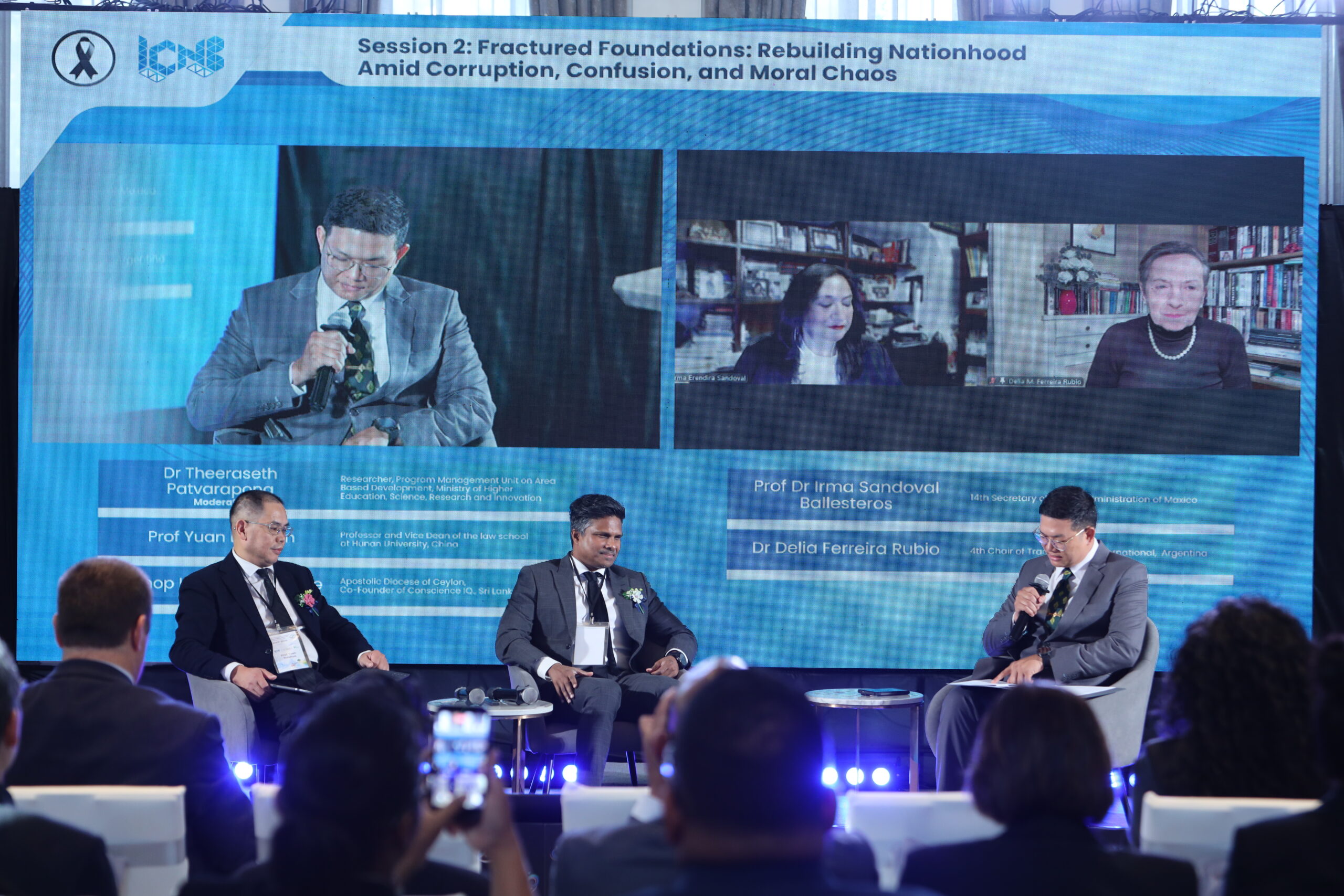
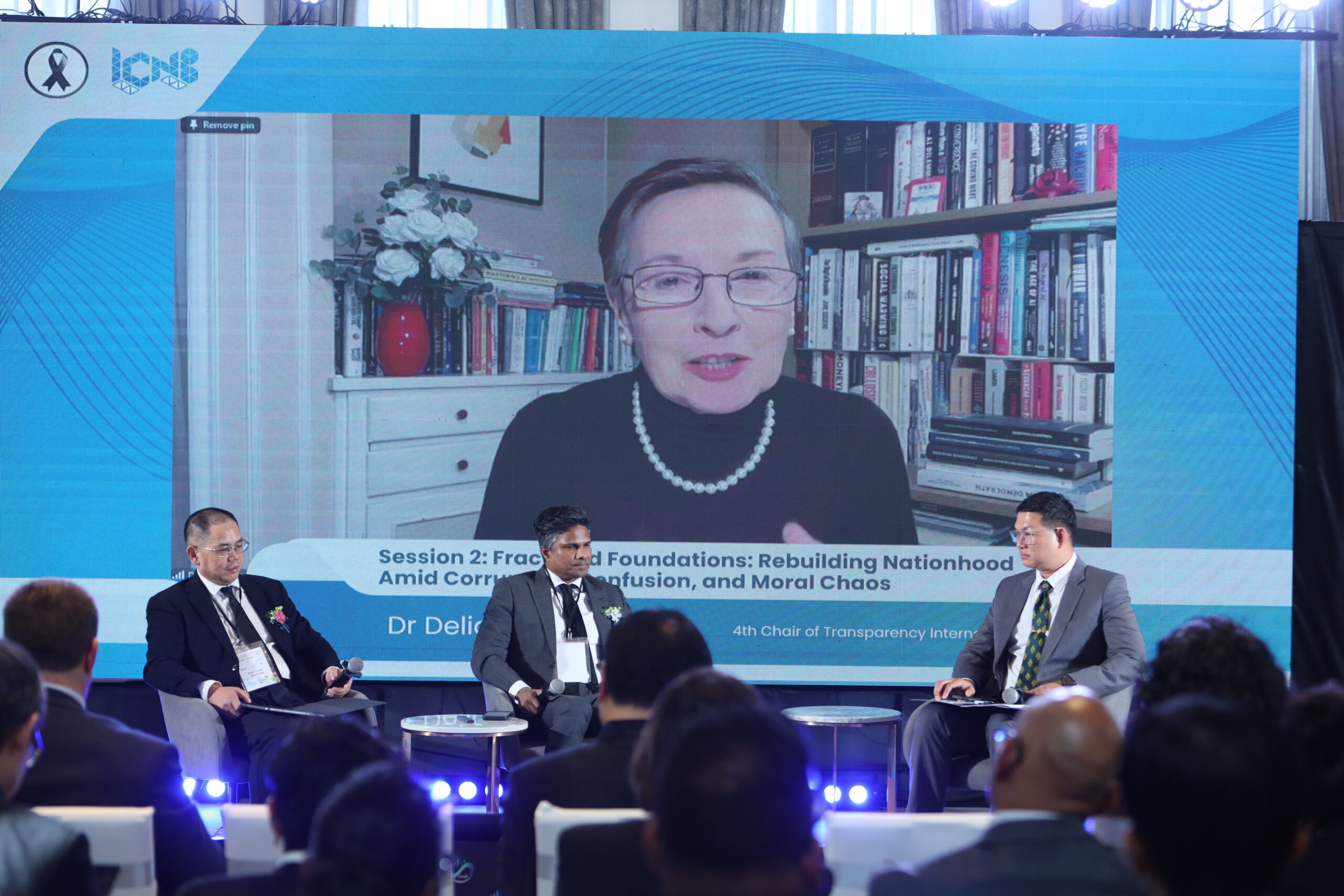
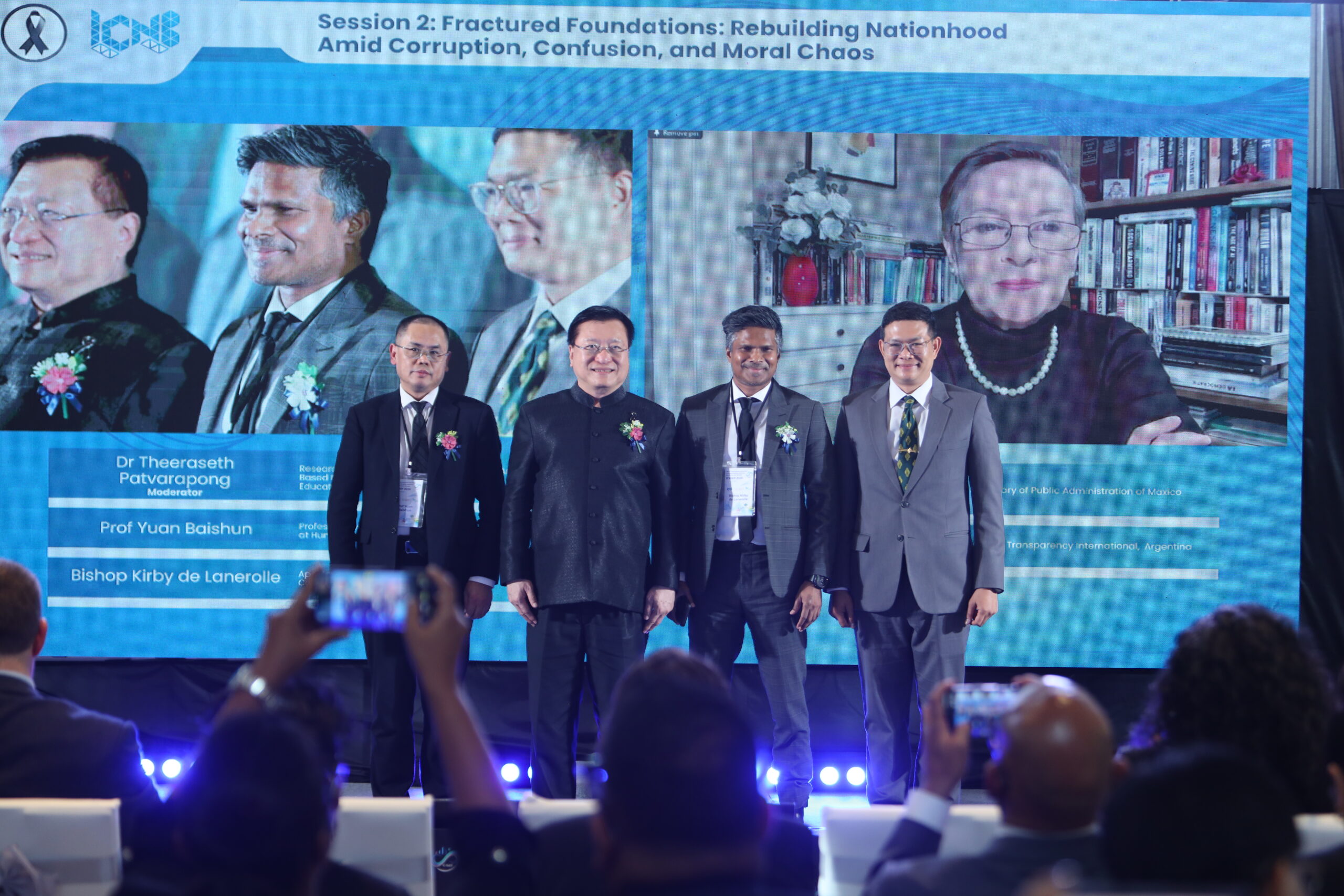
This conference session aims to examine the complex dynamics shaping nationhood in an era marked by corruption, widespread confusion, and profound moral ambiguity. As institutions weaken and public trust erodes, it becomes increasingly important to understand how these fractured foundations influence national identity, governance, and social stability. This session will bring together scholars, policymakers, and civic leaders to discuss the impact of systemic corruption and moral fragmentation on nation-building, explore strategies for restoring public confidence, and highlight pathways toward reconstructing a more resilient and unified national community.Read More!
Discussion Questions:
- Does nationhood require a minimum shared moral foundation, or can a cohesive national identity emerge even without moral consensus?
- Under what conditions can moral pluralism strengthen modern nationhood, and when does it risk tipping into fragmentation?
- How does moral ambiguity in leadership undermine institutional legitimacy and state capacity, and can this trust be restored?
- When definitions of “justice” diverge across groups, how can national policies uphold fairness while maintaining unity?
- How can national identity be reconstructed in environments where corruption and moral confusion have eroded trust in public institutions?
- What cultural, civic, or educational mechanisms can rebuild a shared sense of ethics in societies experiencing moral fragmentation?