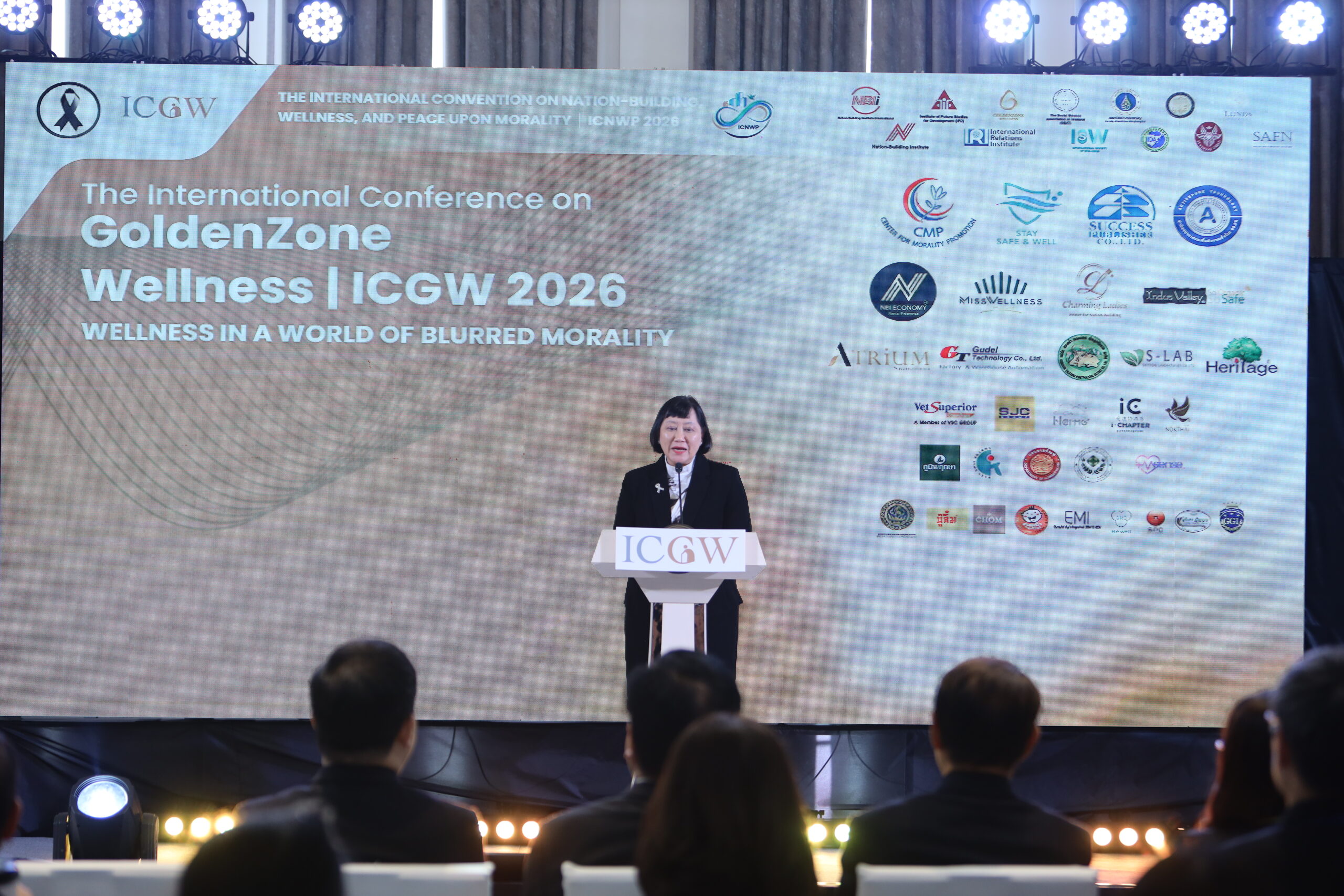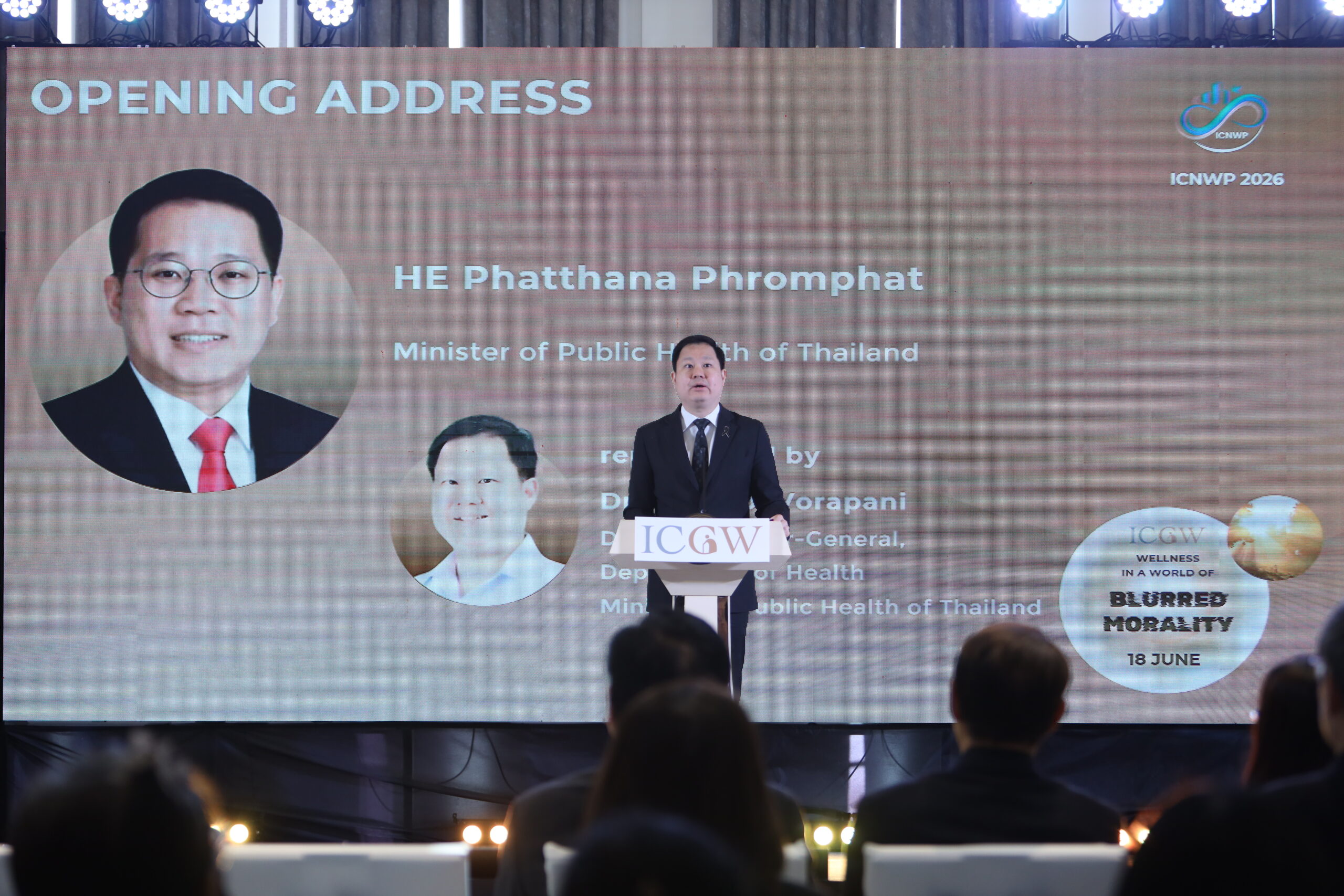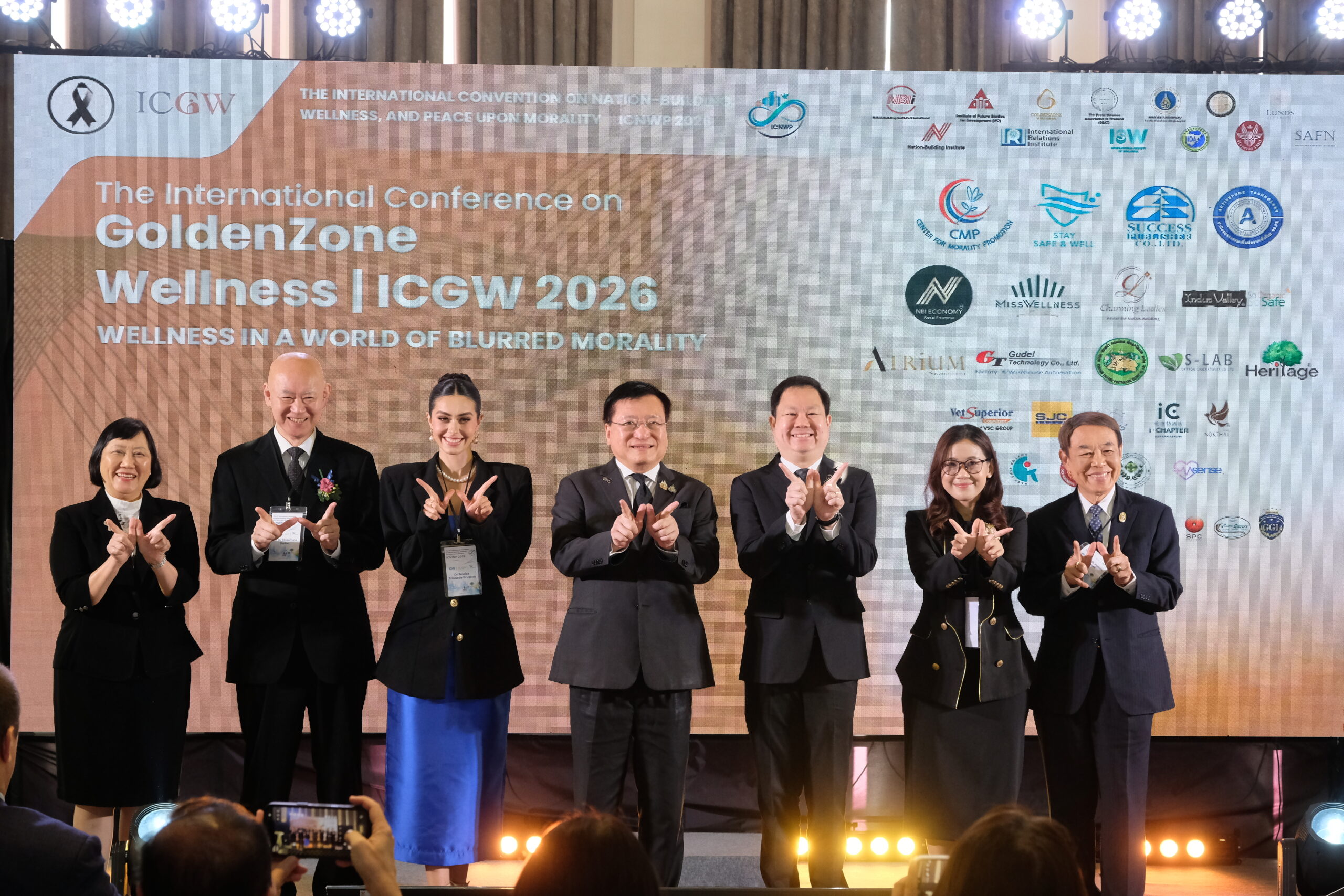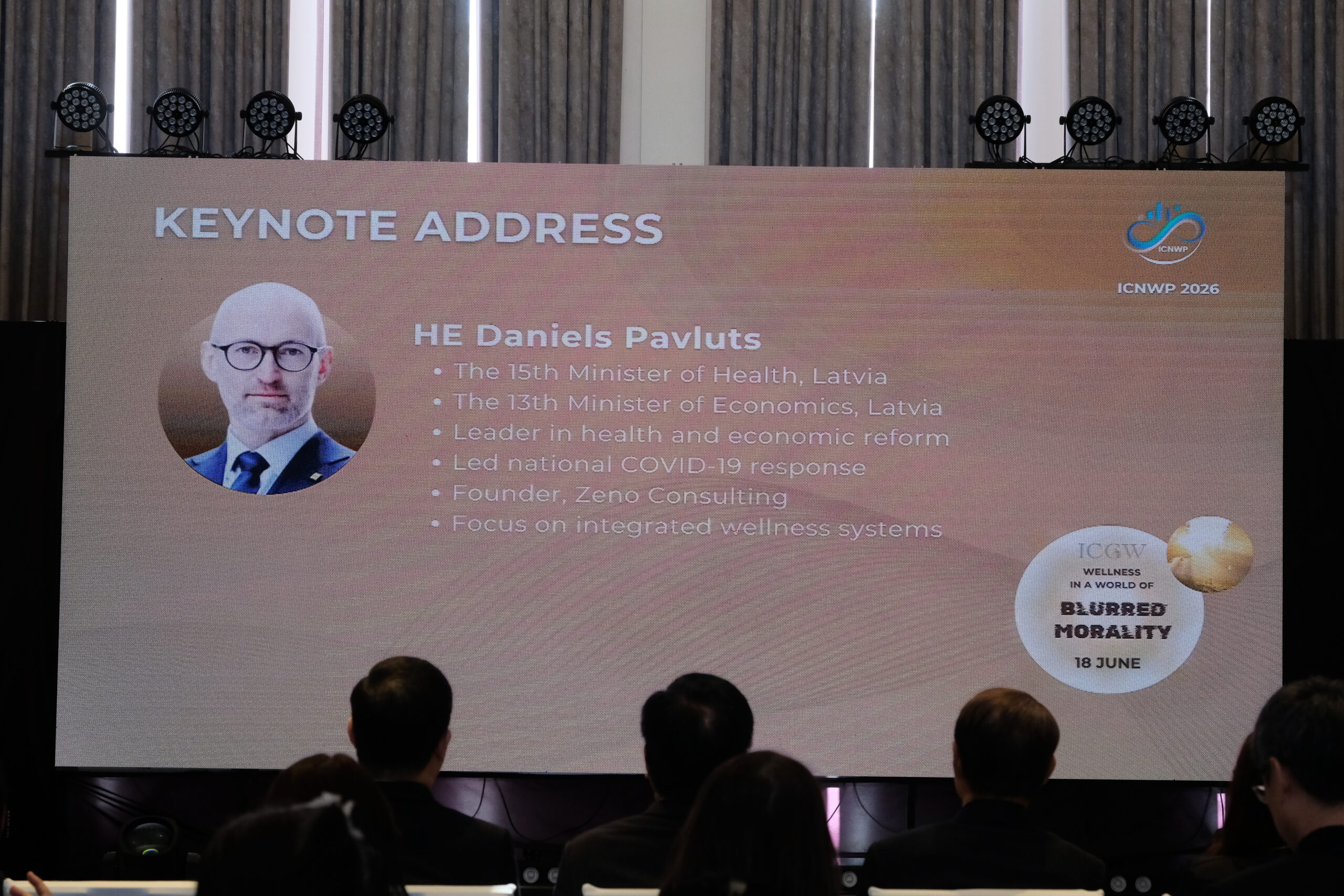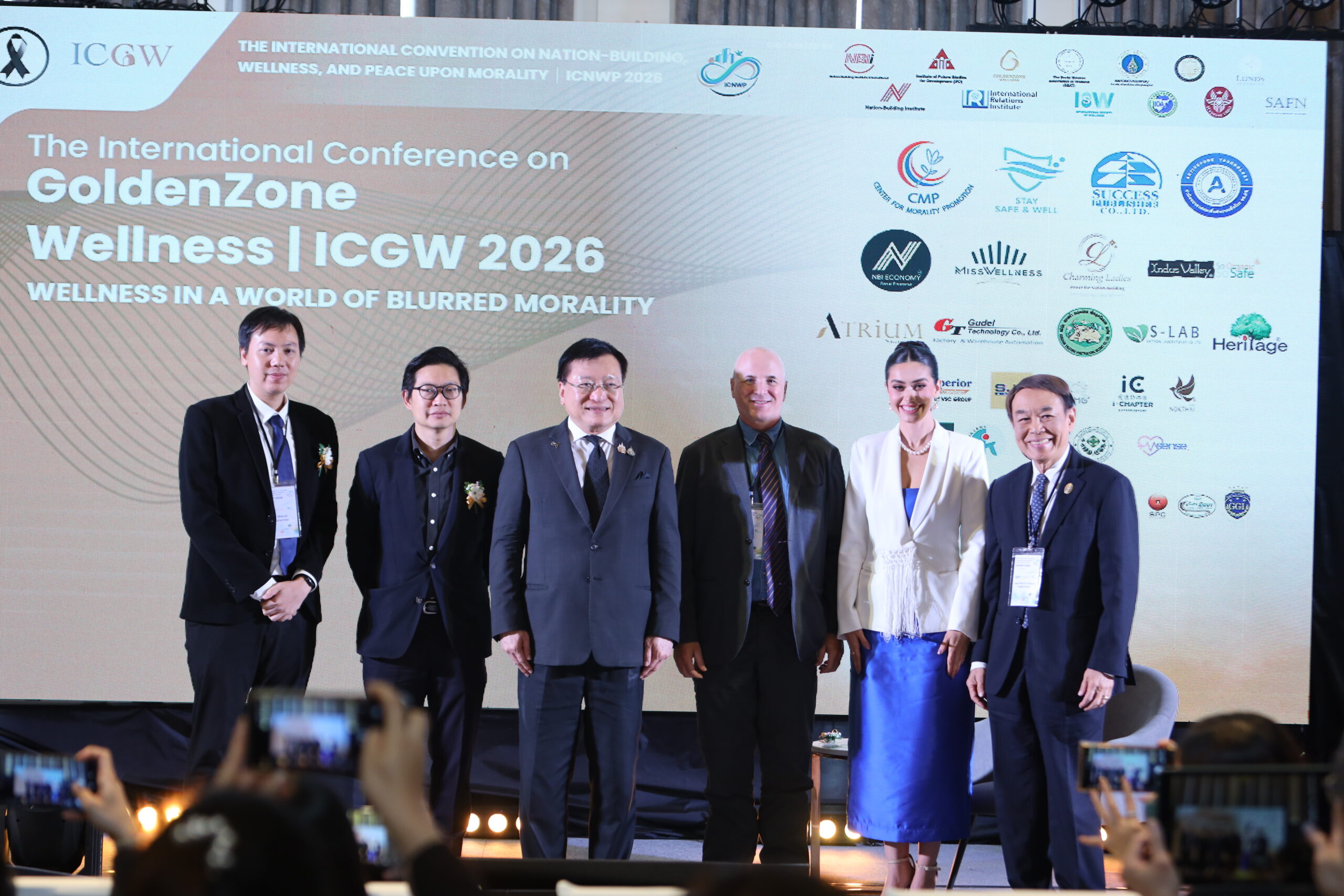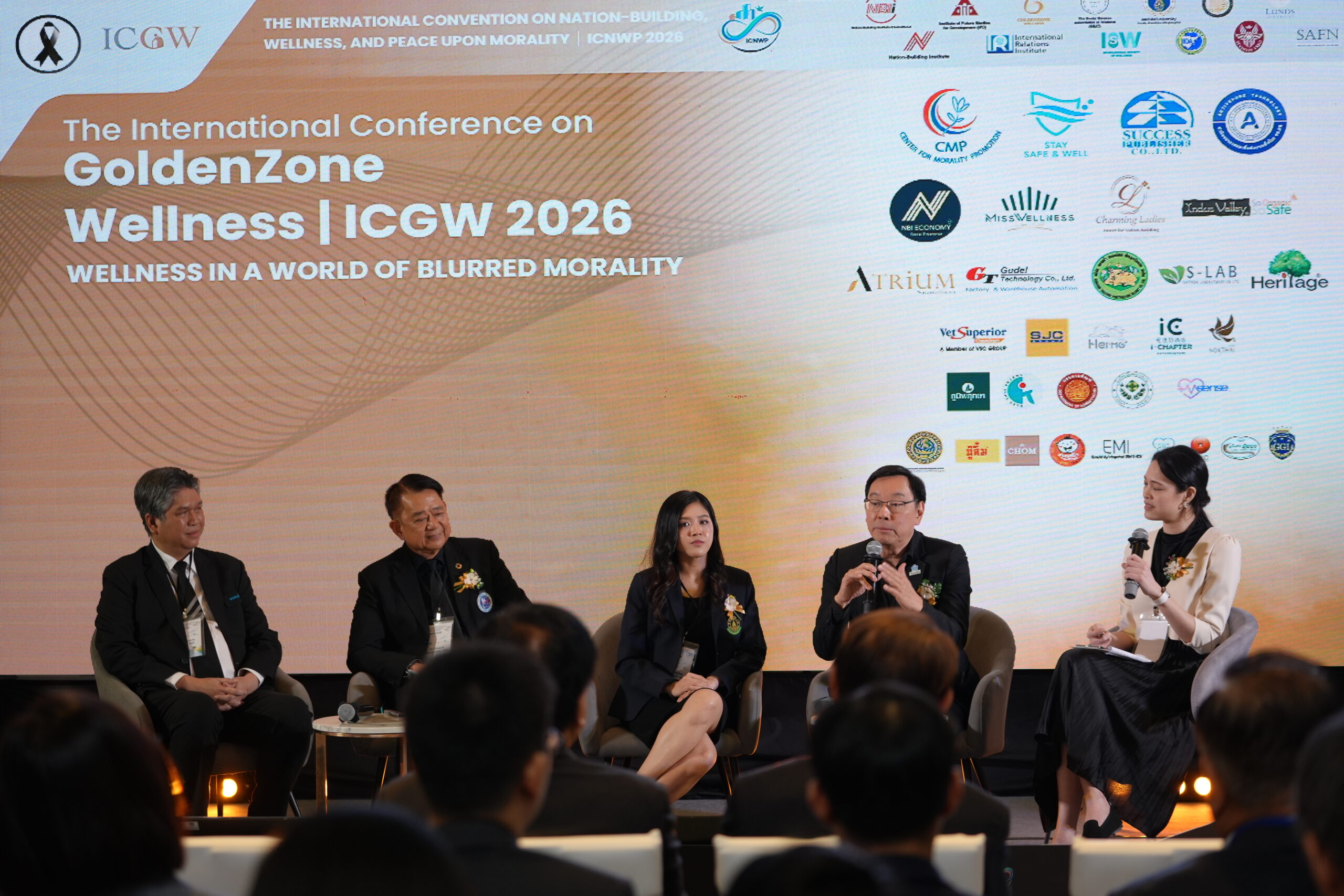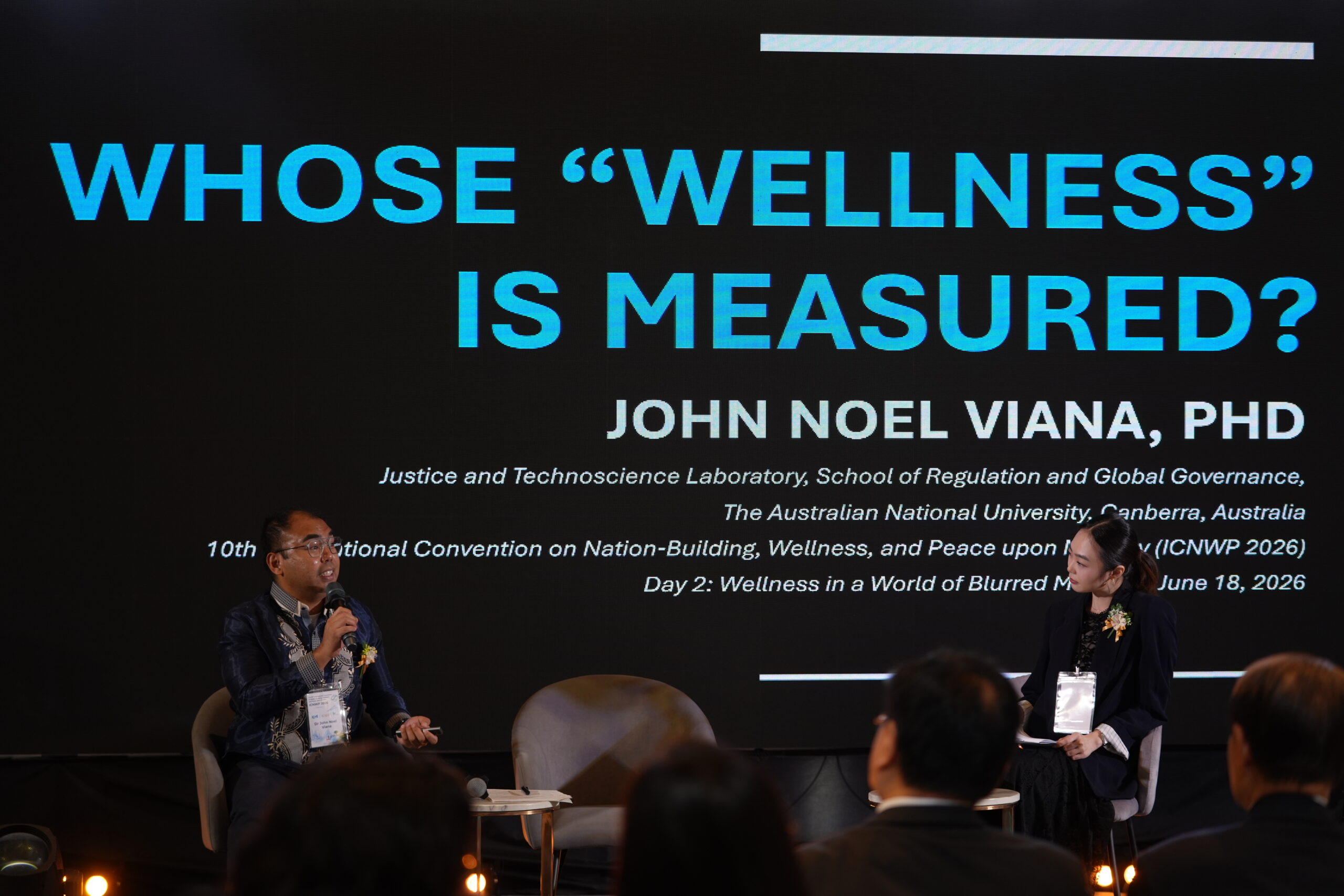
The International Conference on GoldenZone Wellness 2026
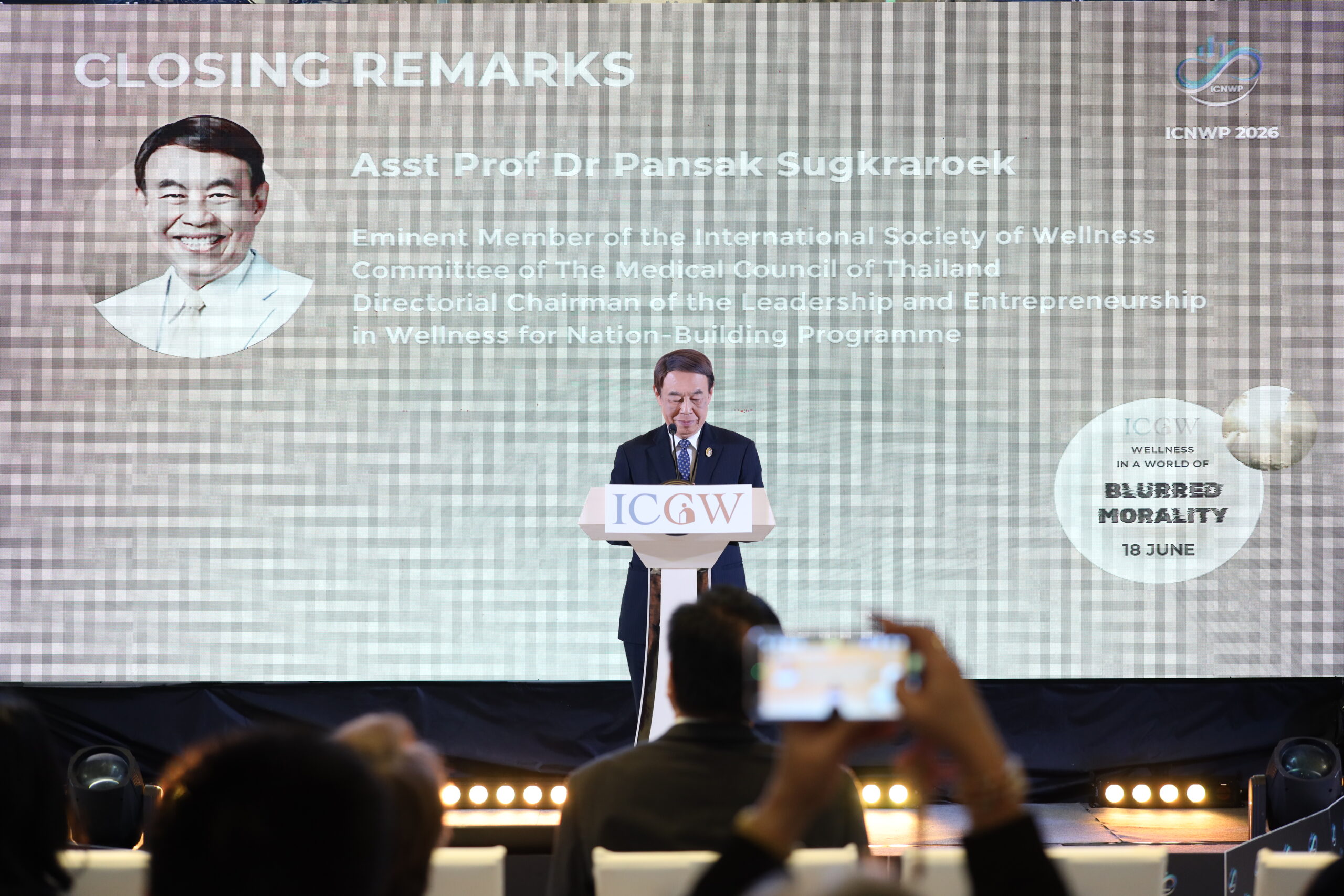
“Wellness a World of Blurred Morality”
18 June 2025
Kompass Campus, Bangkok, Thailand
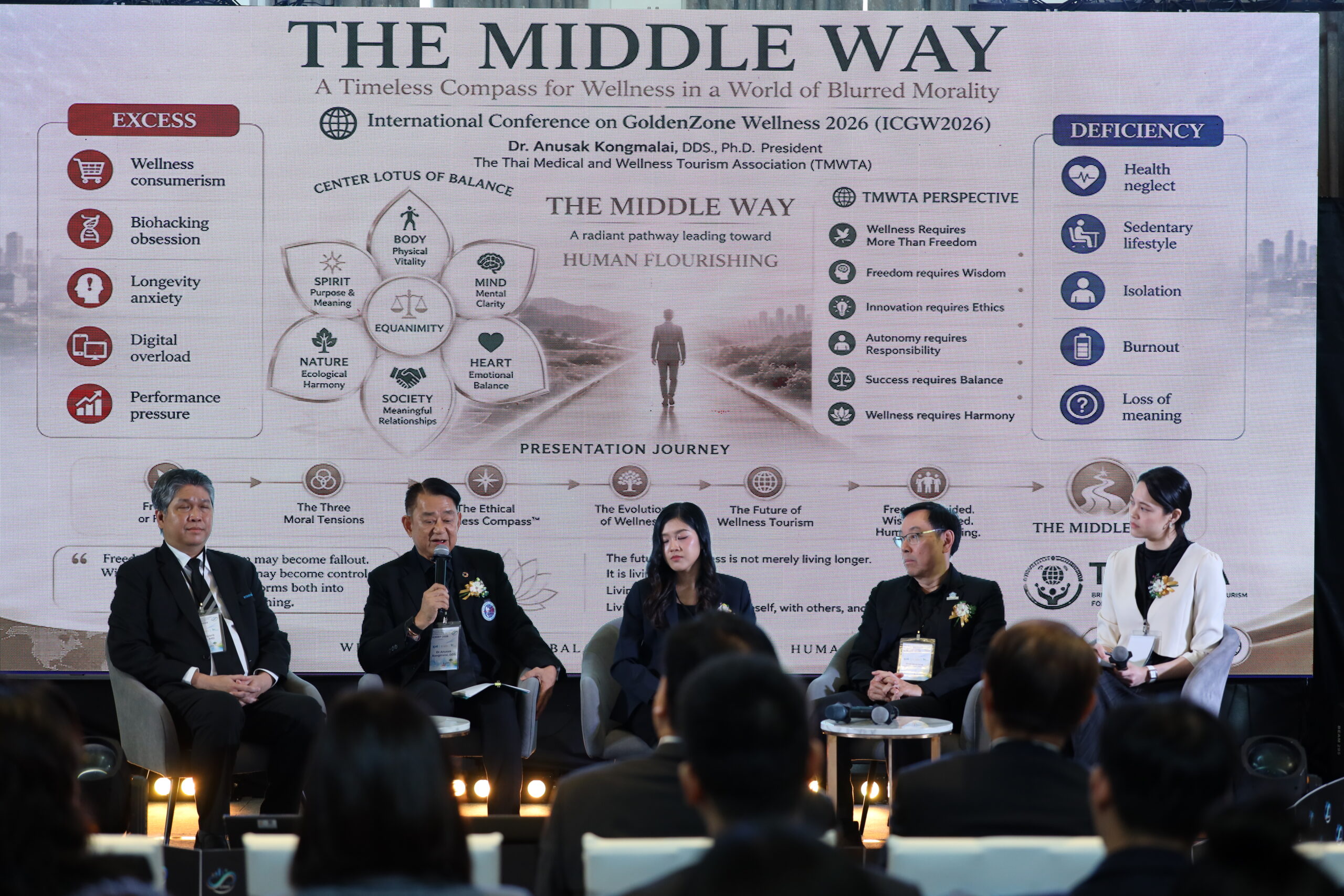
Rapid technological change, commercialised lifestyles, and fragmented value systems have reshaped how people understand right and wrong in everyday life. In this morally blurred landscape, wellness is no longer guided solely by balance, restraint, or long-term goals, but increasingly shaped by convenience, instant gratification, and market-driven incentives. The constant pull of social media, consumer culture, and performance-oriented norms blurs the line between healthy living and harmful excess, contributing to stress, anxiety, and a growing sense of inner emptiness. As moral reference points weaken, many individuals struggle to define what it truly means to live well—physically, mentally, and inwardly.
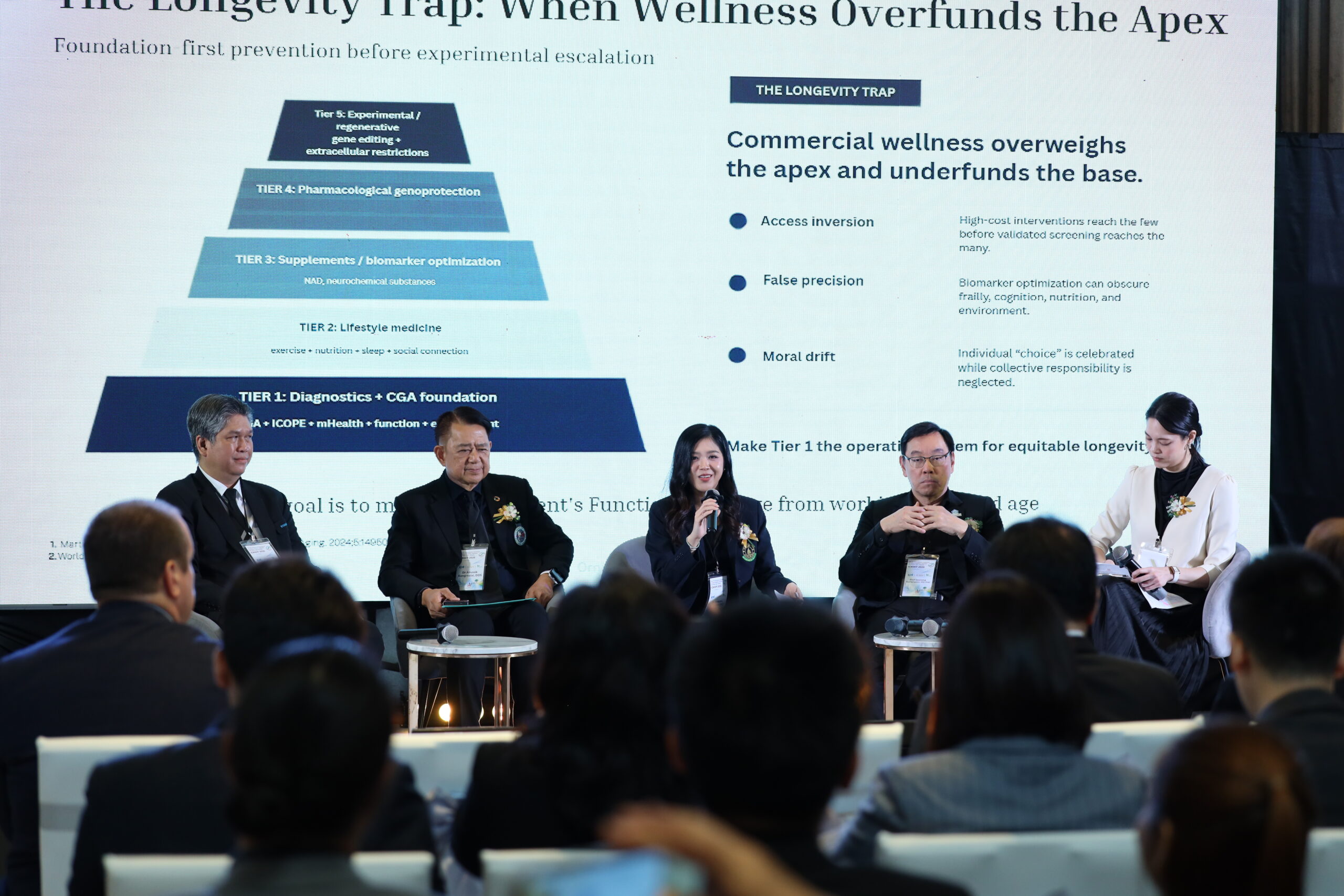
This moral ambiguity creates wider systemic challenges. Access to healthcare and wellness technologies is increasingly unequal, turning wellness into a privilege rather than a shared social good. The commercialization of wellness, alongside advances in gene editing, biohacking, and digital health, raises ethical concerns about fairness, responsibility, privacy, and human dignity. When individual choice is emphasized without collective responsibility, social cohesion weakens and health inequalities deepen.
The International Conference on GoldenZone Wellness (ICGW) 2026 addresses these challenges by fostering ethical clarity and interdisciplinary dialogue. Bringing together experts in health, bioethics, policy, and technology, the conference examines the moral grey zones shaping modern wellness and explores frameworks that prioritise fairness, long-term wellness, and responsible innovation. ICGW 2026 aims to contribute to healthier, more equitable societies by reconnecting wellness with ethical reflection, social responsibility, and human dignity in a world of blurred morality
* All time is as per the Local time of the venue
This conference session aims to delve into the intricate ethical, social, and scientific dimensions of gene editing in a morally complex world. As gene editing technologies continue to advance, it becomes increasingly important to understand how these technologies can be used for both healing and enhancing human traits, and what ethical challenges arise from their application. This session will bring together experts in genetics, bioethics, public policy, and social sciences to discuss the impact of gene editing on individuals and society, explore strategies for ensuring ethical practice and equitable access, and highlight the potential for responsible governance in a world of blurred moral boundaries. In this session, important questions to be discussed are:
- Therapy vs. Enhancement: Should gene editing be limited to curing diseases, or is it morally permissible to enhance human traits such as intelligence, strength, or appearance?
- Ethical Boundaries: How can societies define ethical boundaries in gene editing when moral norms are inconsistent or culturally relative?
- Equity and Access: If gene editing becomes widespread, how can we prevent it from exacerbating social inequality and creating a “genetic divide”?
- Long-Term Consequences: What responsibilities do policymakers have to consider long-term societal and ecological impacts of germline modifications?
- Governance and Regulation: How should international law and national policy balance scientific innovation, individual rights, and collective moral responsibility in a world of blurred ethics?
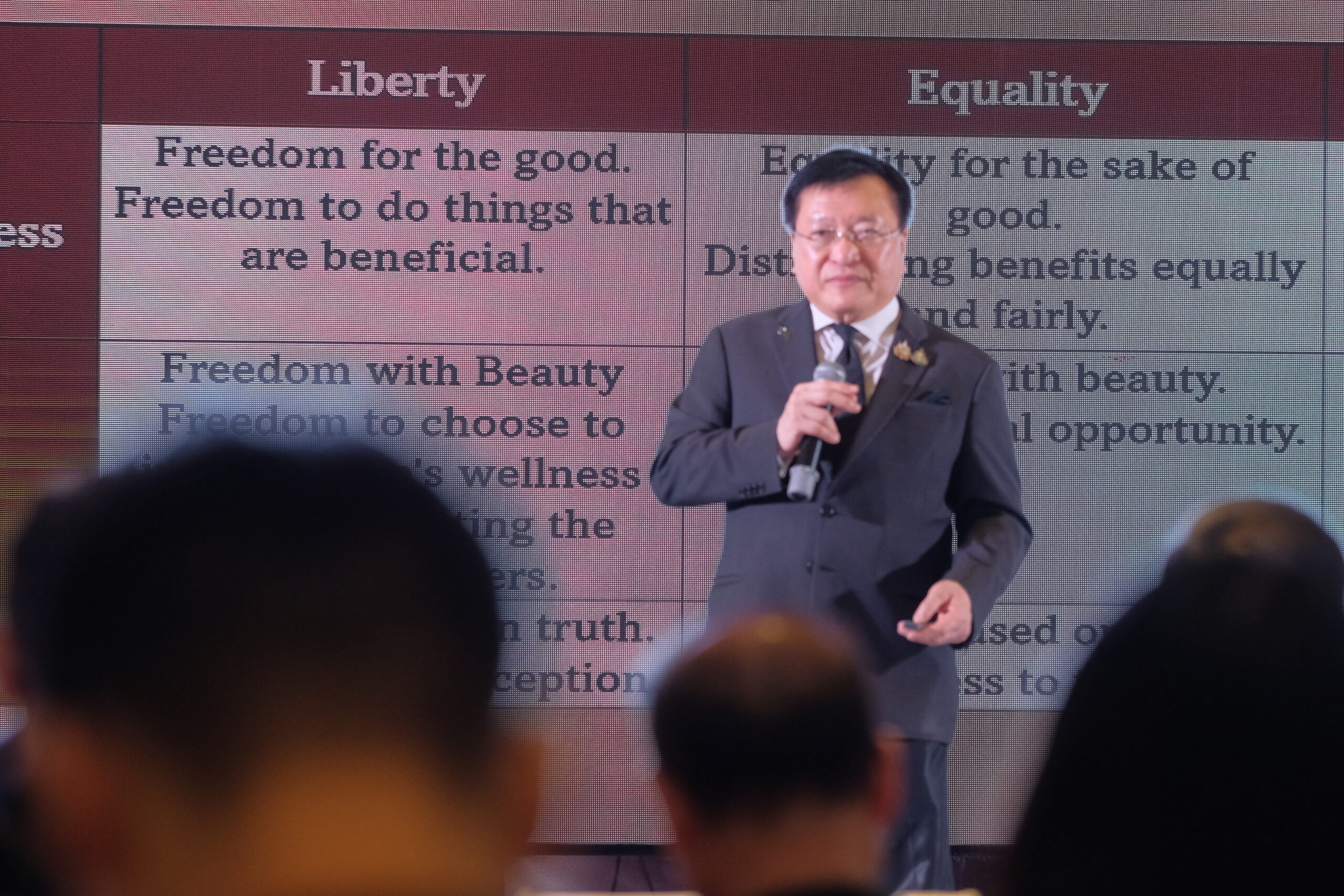
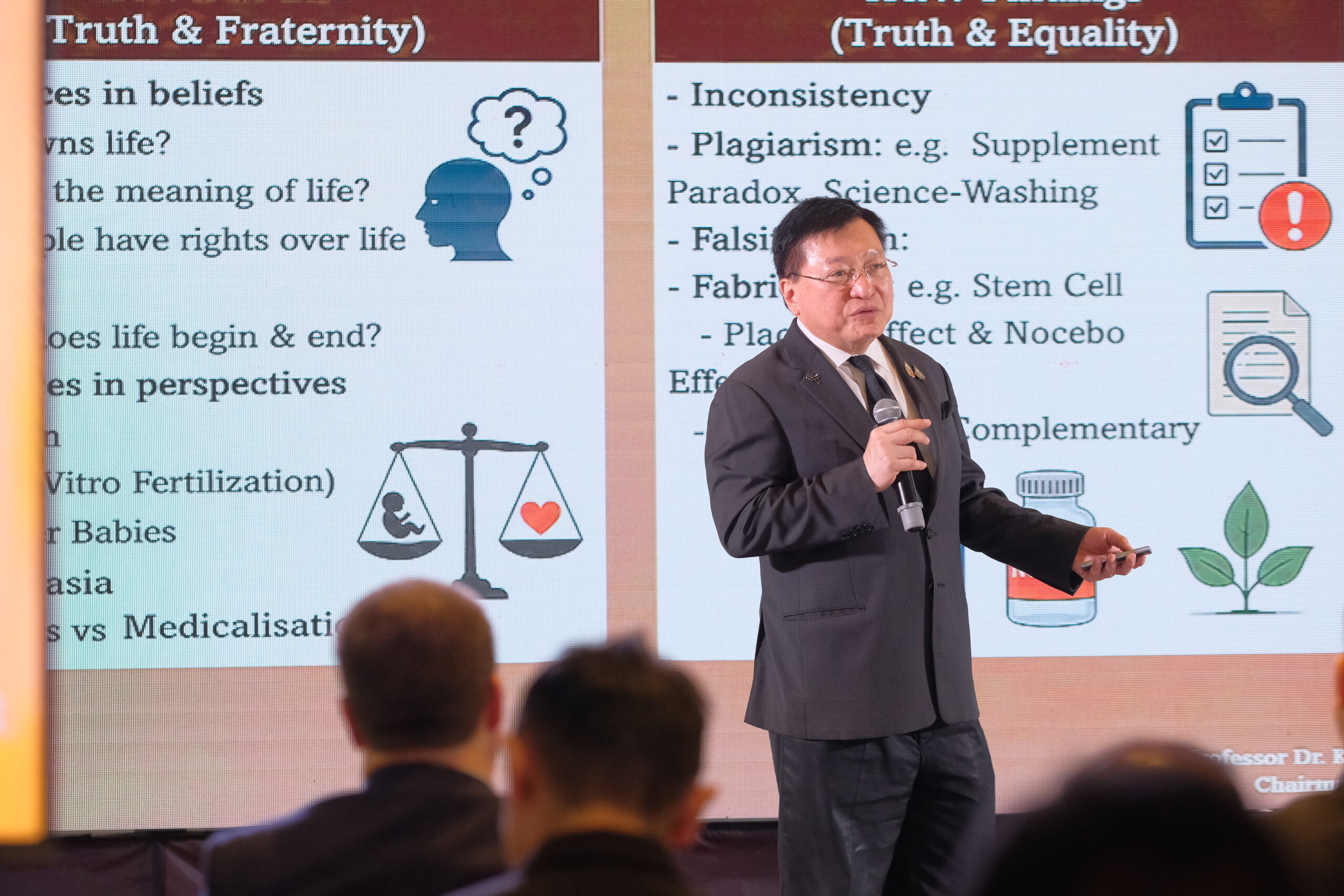
This conference session will examine how expanding claims to personal freedom and bodily autonomy — from everyday lifestyle choices to end‑of‑life decisions — unsettle the ethical foundations of wellness in contemporary societies. As technological possibility, market incentives, and cultural pluralism widen the range of permissible choices, the session brings together experts in bioethics, public health, law, sociology, and clinical practice to interrogate when autonomy advances dignity and when it creates new harms. Participants will consider policy, professional practice, and community responses that protect vulnerable people while respecting diverse moral views. In this session, important questions to be discussed are:
- Freedom vs. Responsibility: Where Should We Draw the Line? As people claim greater freedom over their bodies, lifestyles, and choices, who should define the limits of personal autonomy when those choices harm long-term health or social well-being?
- The Right to Die or the Duty to Live: Does the right to choose one’s death represent compassion and dignity — or a moral drift away from the sanctity of life? How should societies balance ethical pluralism with shared values about life and death?
- Death and Dignity: How should pluralistic global societies reconcile the drive for bodily sovereignty (e.g., physician-assisted dying) with cultural and religious values that emphasize the sanctity of life? ( Focuses on universal ethical conflict.)
- The Ethics of Commodifying Human Life: When organs, stem cells, or even genetic data become market goods, are we empowering individuals or exploiting the vulnerable? How can policy frameworks prevent a “bio-capitalist” morality from dominating wellness systems?
- Enhancement or Addiction: From smart drugs to dopamine-driven lifestyles, wellness is increasingly manufactured through chemistry and convenience. Are we pursuing “health” — or just another form of socially accepted addiction?
- Autonomy in an Ethically Blurred World — Who Owns the Body?: As science, capitalism, and individualism redefine control over the human body, does self-sovereignty have moral or social boundaries?
- Moral Pluralism in Wellness: How can wellness practitioners (doctors, coaches, therapists) maintain professional ethical standards when serving clients from diverse backgrounds with radically different moral and cultural definitions of "health"? (Focuses on professional ethics and cultural relativity.)
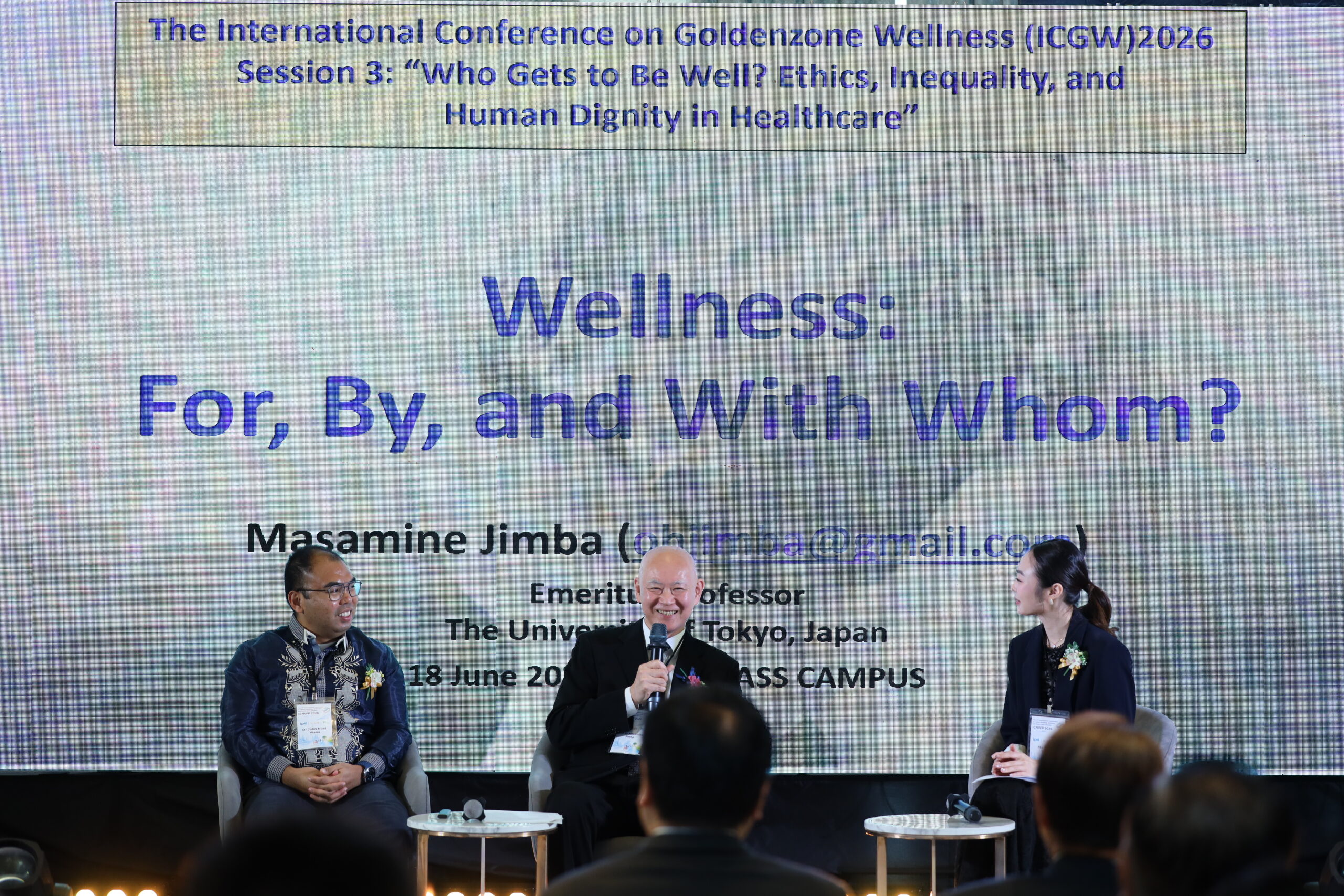
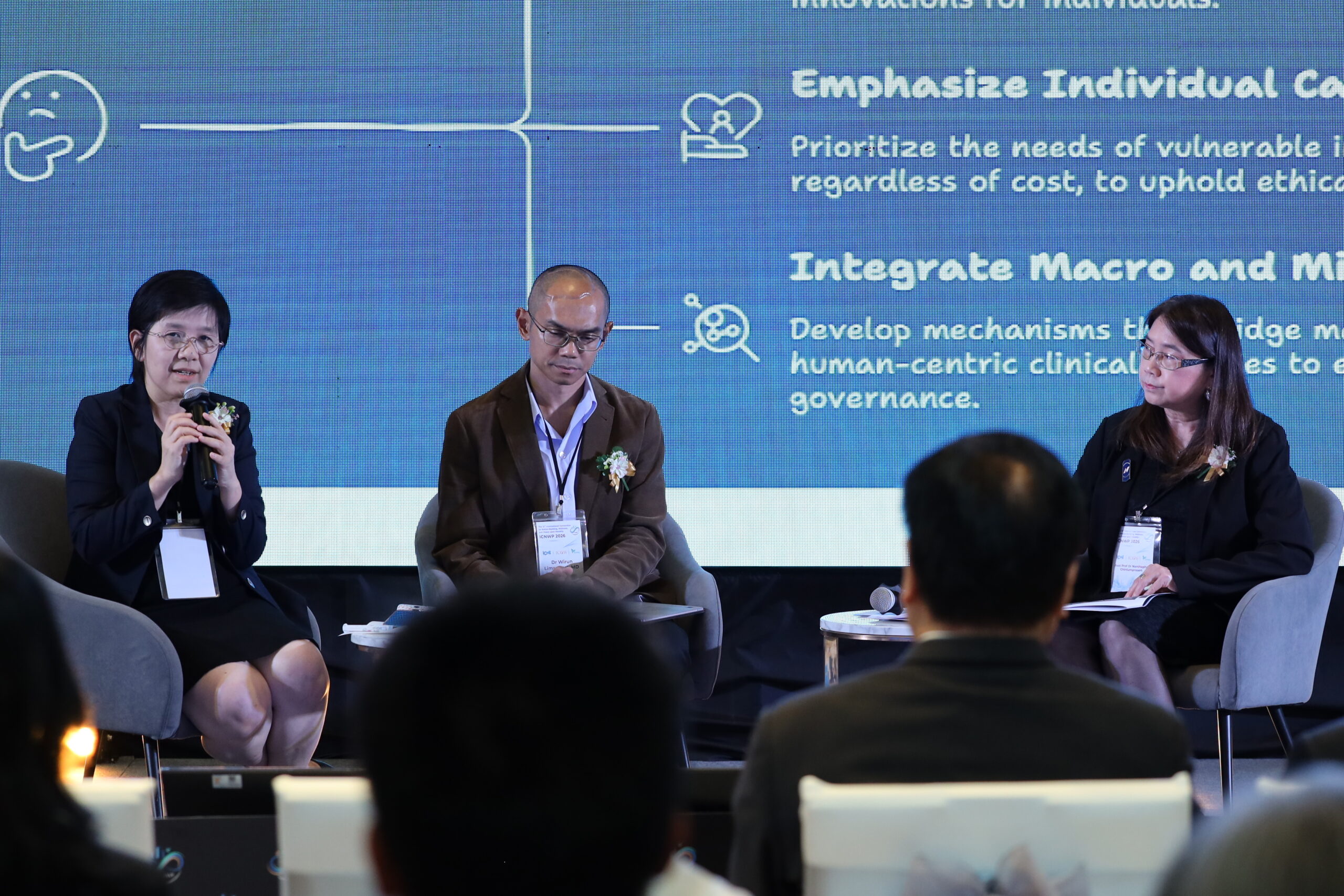
This session delves into the ethical dilemmas of healthcare disparities in a world of blurred morality, where decisions on resource allocation, commercialization, and treatment prioritization often reflect deep moral inequalities between producers and consumers, doctors and patients, the poor and the wealthy. It examines how societal values shape access to care, questioning whether moral judgments exacerbate divides or if equitable frameworks can bridge them, ultimately aiming to foster discussions on policies that promote true wellness for all amid conflicting interests and systemic biases. Participants will explore practical strategies to balance innovation with ethics, ensuring human-centered care prevails over profit-driven exploitation.
- Equity in Healthcare Access: How should societies fairly decide who gets critical care when demand exceeds supply? Does prioritizing certain groups reinforce or reduce moral inequities?
- Commercialization vs Ethics: How can regulators prevent commercial wellness products and services from exploiting consumers while still allowing innovation?
- Prioritization and Moral Judgments: Should moral judgments about personal behavior influence who receives life-saving treatments, and what frameworks ensure fairness?
- Two-Tiered Systems and Social Justice: What policies can reduce the gap between private and public healthcare, ensuring that “wellness for all” is more than a slogan?
- Physician Incentives vs Human Values: How can healthcare systems balance efficiency metrics with preserving the intrinsic value of human-centered care?
This session probes the ethical tensions in health governance where moral lines blur between collective welfare and individual rights, challenging policymakers to navigate AI surveillance, mandates, and harm reduction amid conflicting values. It highlights how public health imperatives often clash with personal freedoms, urging exploration of balanced interventions that safeguard trust and cohesion without overreach. Discussions aim to clarify boundaries for equitable policies in reproductive rights, data use, and more, fostering resilient frameworks for societal well-being.
- Public Health vs Privacy: How far can the state go in using AI and big data to protect population health before it violates individual privacy?
- Vaccine Mandates and Freedom: To what extent can governments enforce vaccination without overstepping personal bodily autonomy?
- Harm Reduction Policies: Should states provide safe injection sites or other harm reduction programs when these interventions challenge prevailing moral norms?
- Reproductive Rights: How should public policy balance women's reproductive freedoms with societal moral expectations or demographic goals?
- Defining Ethical Boundaries: In an era of blurred morality, how can policymakers clearly define what interventions are justified without eroding trust or social cohesion?